
Play Thirty Days
Thirty Days Screenshots








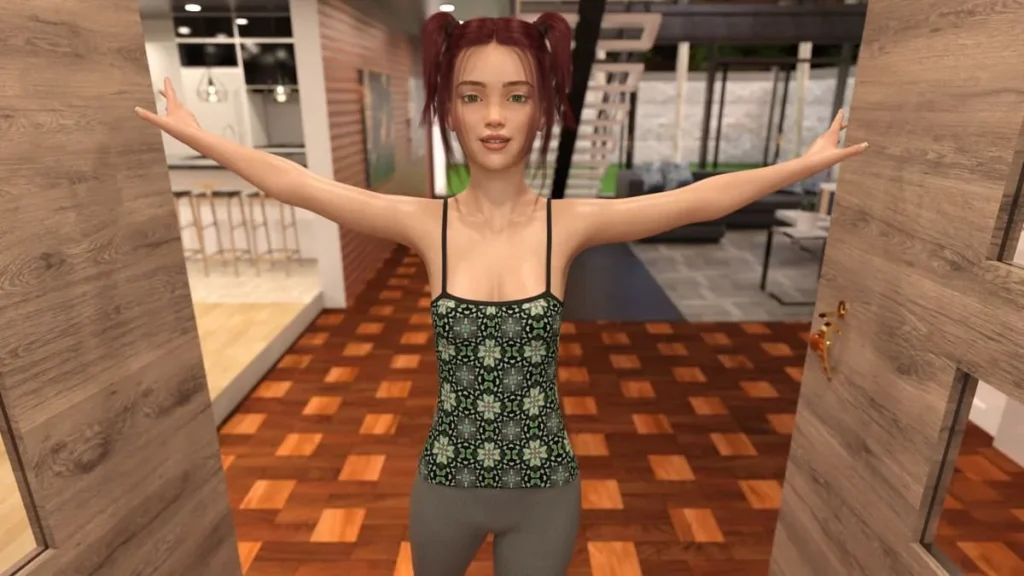









Thirty Days review
Master the dual-stat system, unlock intimate scenes, and explore every storyline in this choice-driven adult visual novel
If you’re diving into the adult visual novel Thirty Days, you’re about to experience a deeply choice-driven story where every decision shapes your month with two 18-year-old fraternal twins. Unlike typical romance games, Thirty Days uses a unique dual-stat framework—Trust and Attraction—to determine relationship progression. Whether you play as an Aunt, Uncle, Cousin, or Family Friend, your path to intimacy hinges on building genuine connection, not just triggering scenes. This guide breaks down the game’s core mechanics, character arcs, and strategies to unlock every storyline in this immersive Ren’Py-powered experience.
How Thirty Days Works: Stats, Choices, and Relationship Mechanics
Understanding the Dual-Stat System: Trust vs. Attraction
When I first booted up Thirty Days, I assumed the choice-driven adult visual novel mechanics would boil down to picking the flirty option every time. Boy, was I wrong. The game doesn’t just throw two bars at you—it builds an entire relationship ecosystem around Trust and Attraction stats Thirty Days. Think of Trust as the emotional foundation: it’s about reliability, listening, and being there when she needs you. Attraction, on the other hand, is the romantic and physical spark—those moments of chemistry, playfulness, and shared tension. Both stats range from 0 to 100, but here’s the kicker: you can’t max one and ignore the other. If you pump Attraction without Trust, she’ll pull away. If you stack Trust without Attraction, you’ll end up in the friend zone. 🎯
The Thirty Days dual-stat system forces you to read the room. Every dialogue choice nudges one stat up and the other down—or sometimes both in tiny increments. For example, choosing to listen to her talk about a tough day at work boosts Trust, while cracking a playful joke might raise Attraction but slightly lower Trust if the timing’s off. You need to balance these numbers over the full thirty-day timeline. I remember one playthrough where I focused entirely on Attraction, taking every flirty option and ignoring her emotional cues. By Day 15, her Trust sat at 20, and my attempts to unlock intimate moments felt forced and awkward. The game literally locked me out of scenes because she didn’t feel safe with me. That’s when I realized: this isn’t a stat grind—it’s a conversation. 🧠
The key to mastering the Ren’Py game stat thresholds is understanding that each threshold isn’t just a number—it’s a gate that opens new dialogue branches and subtle animations. For instance, a Trust score above 60 unlocks deeper conversations about her past, while Attraction above 60 unlocks flirtatious banter. But you need both above certain levels for major milestones. The Thirty Days dual-stat system doesn’t punish you for having a preference, but it rewards balance. Think of it like a seesaw: you want both ends in the air, not one side slammed to the ground. ⚖️
Receptiveness and Readiness: The Two-Step Intimacy Filter
Once you understand the stats, you need to grapple with Thirty Days‘ most brilliant—and sometimes frustrating—mechanic: the two-step intimacy filter. This is where Thirty Days receptiveness readiness comes into play. Receptiveness is the long-term possibility: have you hit the stat thresholds and story milestones that make a scene even theoretically possible? For example, to unlock a Beach visit, you need Trust above 70, Attraction above 60, and you must have completed the Amusement Park milestone. That’s the “receptiveness” layer—like unlocking a door. But the door doesn’t swing open automatically. That’s where Readiness steps in. Readiness is the in-the-moment consent check: based on the current conversation context, her mood, and even a touch of randomness, the game decides if she’s ready to take the next step right now. 🌊
Let me break it down with a concrete example. I had a playthrough where my stats were solid—Trust at 75, Attraction at 80—and I’d reached the Beach milestone. On Day 20, we were walking along the shore, and I chose a romantic option to sit and watch the sunset. The game didn’t immediately trigger a scene. Instead, it checked Readiness: was the mood right? Had I been considerate earlier? A hidden internal counter—let’s call it “momentum”—determined that yes, she felt safe and excited. That’s how I unlocked the Beach scene naturally, without forcing it. The how to unlock scenes in Thirty Days isn’t about memorizing a checklist; it’s about building a genuine connection that the game recognizes dynamically. 🔑
Here’s a quick comparison table to show how Trust and Attraction stats Thirty Days affect key relationship milestones:
| Milestone | Trust Required | Attraction Required | Additional Condition | Example Scene Outcome |
|---|---|---|---|---|
| Beach Visit | 70 | 60 | Amusement Park completed | Intimate sunset talk, optional closer encounter |
| Ryokan Stay | 85 | 80 | Beach scene unlocked | Private dinner and extended romantic sequence |
| Cinema Date | 50 | 45 | Trust > Attraction | Playful hand-holding, possible kiss |
| Final Confession | 90 | 90 | All milestones completed | Full romantic resolution |
Notice how Thirty Days receptiveness readiness filters every single milestone. Even if you meet the stat thresholds, the scene won’t fire unless the game’s internal mood system gives the green light. This prevents scenes from feeling like cheap rewards and keeps the narrative grounded. The Thirty Days relationship progression feels earned because each intimate moment arrives at exactly the right narrative beat—not because you clicked the “right” option three days ago. 🎭
Why Meaningful Choices Matter More Than Scene Triggers
I’ll be honest: my first playthrough of Thirty Days was a disaster. I tried to force scenes. I reloaded saves to pick the “perfect” dialogue option based on stat requirements I’d read online. But the game kept shutting me down. On Day 12, I had everything technically unlocked for a private moment, but the scene never triggered. I was frustrated until I realized the game was punishing me for being transparently transactional. The choice-driven adult visual novel mechanics aren’t designed to be a puzzle with a single solution—they’re designed to simulate a real relationship where trust and attraction grow organically. 🌱
The moment I let go of trying to “win” and started making choices that felt true to the character I was building, everything clicked. On one playthrough, I deliberately chose a low-flirt option during a tense conversation about her fears. It lowered Attraction by 5 but raised Trust by 15. Later that same day, she initiated a conversation that led to a Beach visit naturally. The how to unlock scenes in Thirty Days became obvious: stop chasing scenes, and they’ll come to you. The game rewards authenticity over strategy. Every time you prioritize her emotional safety or share a genuine laugh, the stat thresholds become less important than the cumulative bond you’re building. 📖
What makes Thirty Days special is that it doesn’t treat intimate scenes as the goal—they’re the natural consequence of a well-told story. The Thirty Days relationship progression is paced across thirty unique days, each with multiple decision points, weather changes, and evolving dialogue based on your past choices. By Day 25, she’ll reference a joke you made on Day 3, or thank you for being patient during a conversation six days earlier. That’s the magic: your choices have weight. The Ren’Py game stat thresholds are the scaffolding, but the real building is the emotional narrative you co-write with the game. 🏗️
So, if you’re struggling to unlock that elusive scene, step back. Ask yourself: are you building Trust as well as Attraction? Are you respecting the Thirty Days receptiveness readiness check by being in the moment, not just checking boxes? The game wants you to succeed, but it wants you to earn it. And when you do, when the sunset hits the water on that Beach evening and she turns to you with a smile that feels like a reward for your patience and care—that’s when Thirty Days stops being a game and starts feeling like a story you lived. 🌅
Thirty Days stands out as a thoughtfully crafted adult visual novel where your choices genuinely shape the story. By balancing Trust and Attraction, respecting the two-step intimacy filter, and prioritizing meaningful connection over scene triggers, you unlock richer, more rewarding playthroughs. Whether you’re an Aunt, Uncle, Cousin, or Family Friend, every decision matters. Ready to dive in? Download Thirty Days from itch.io or F95Zone and start your month with the twins—your journey begins with a single choice.