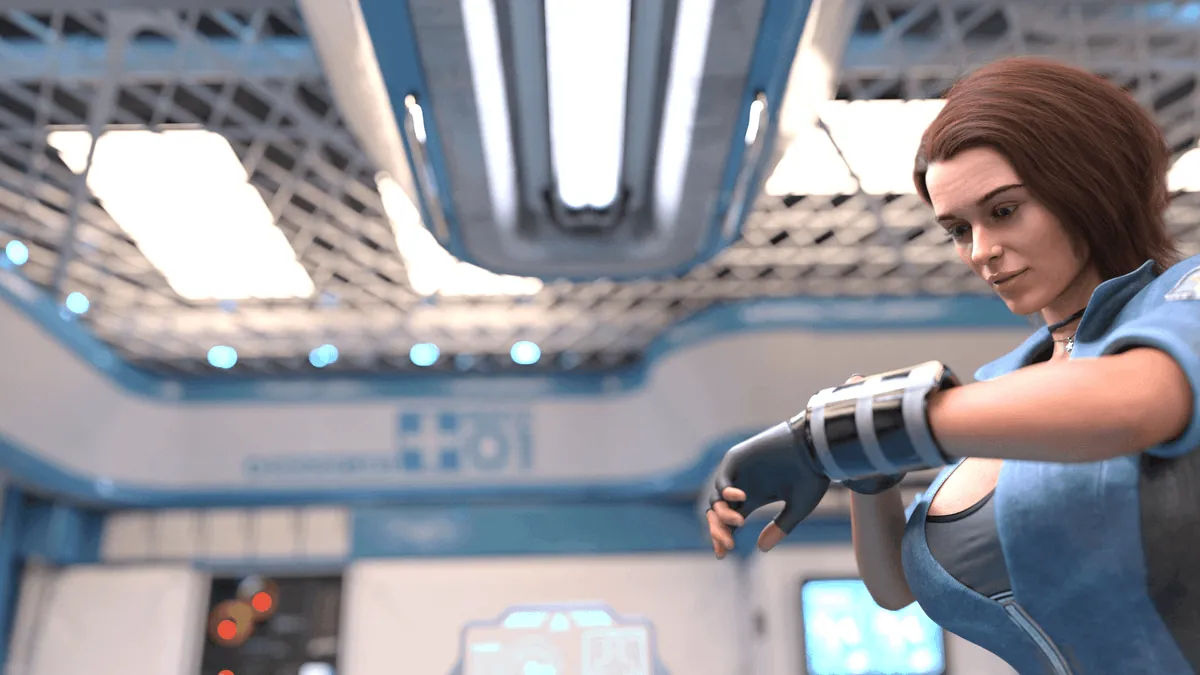
Stars of Salvation
Play Stars of Salvation
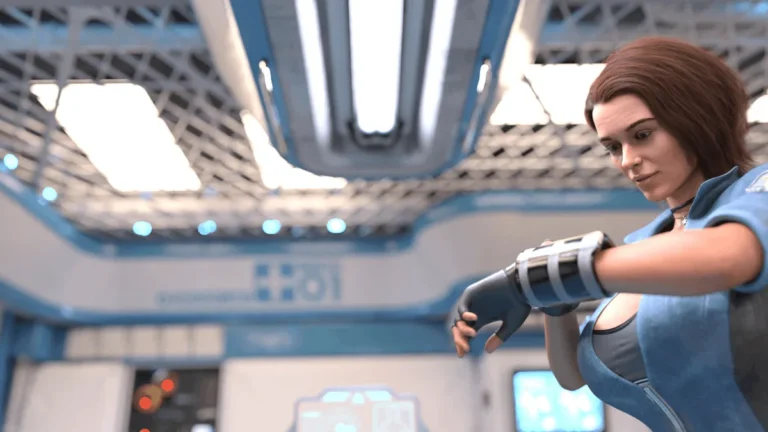
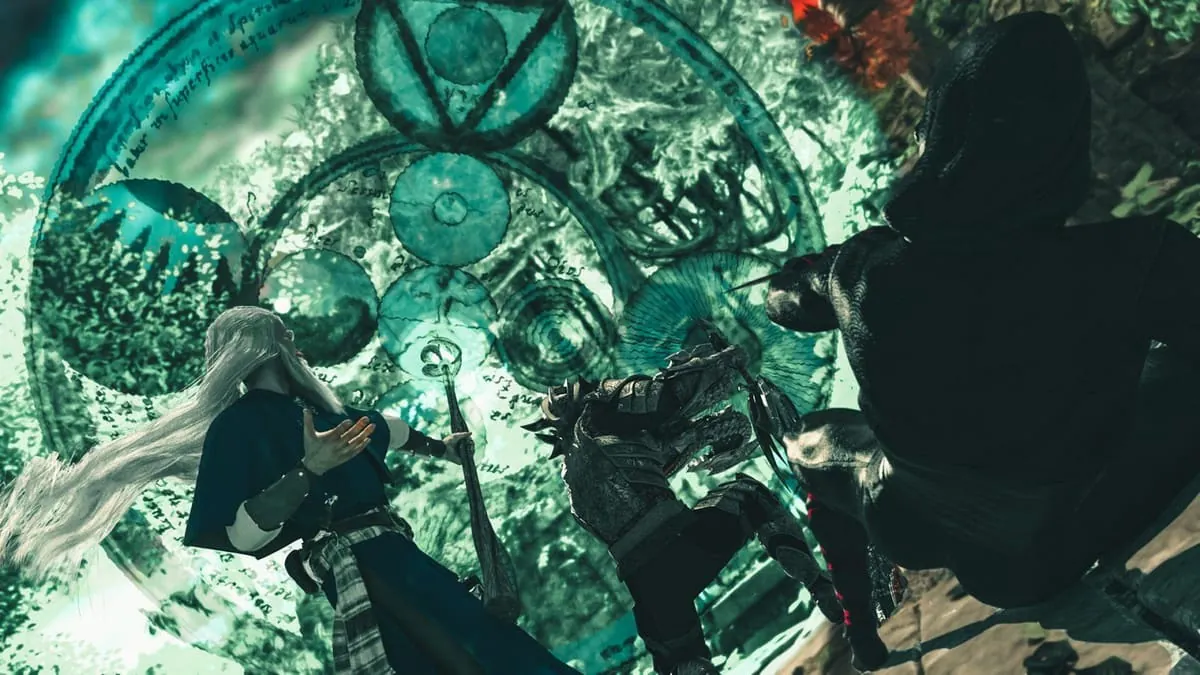
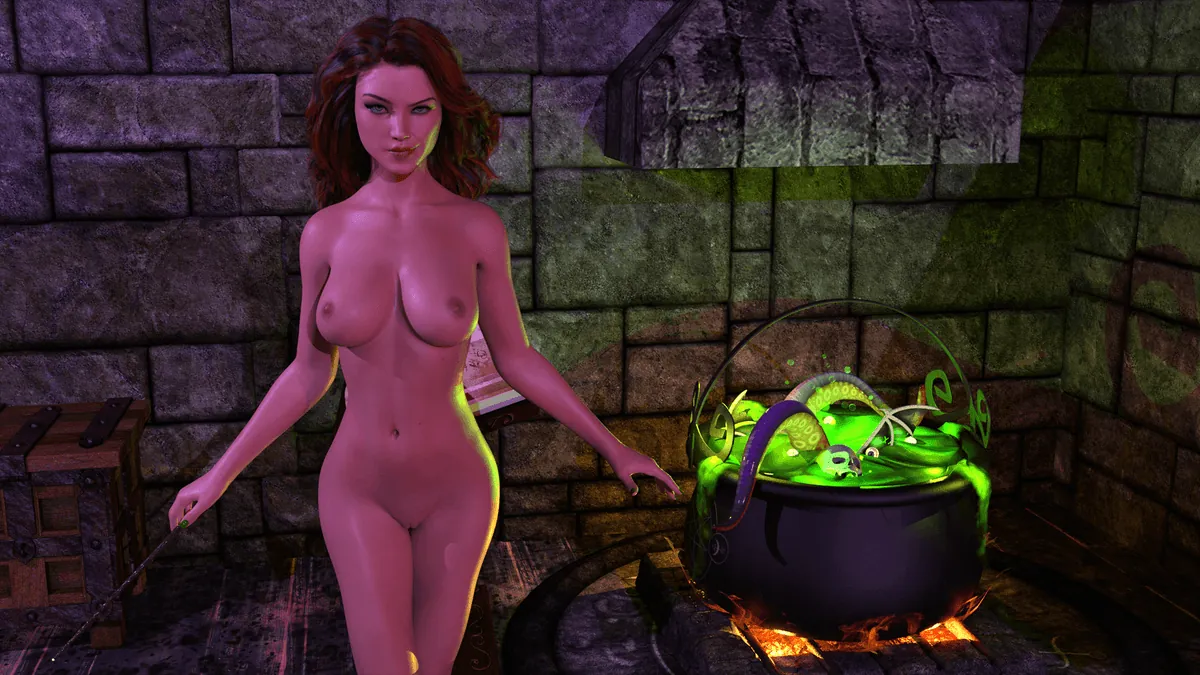
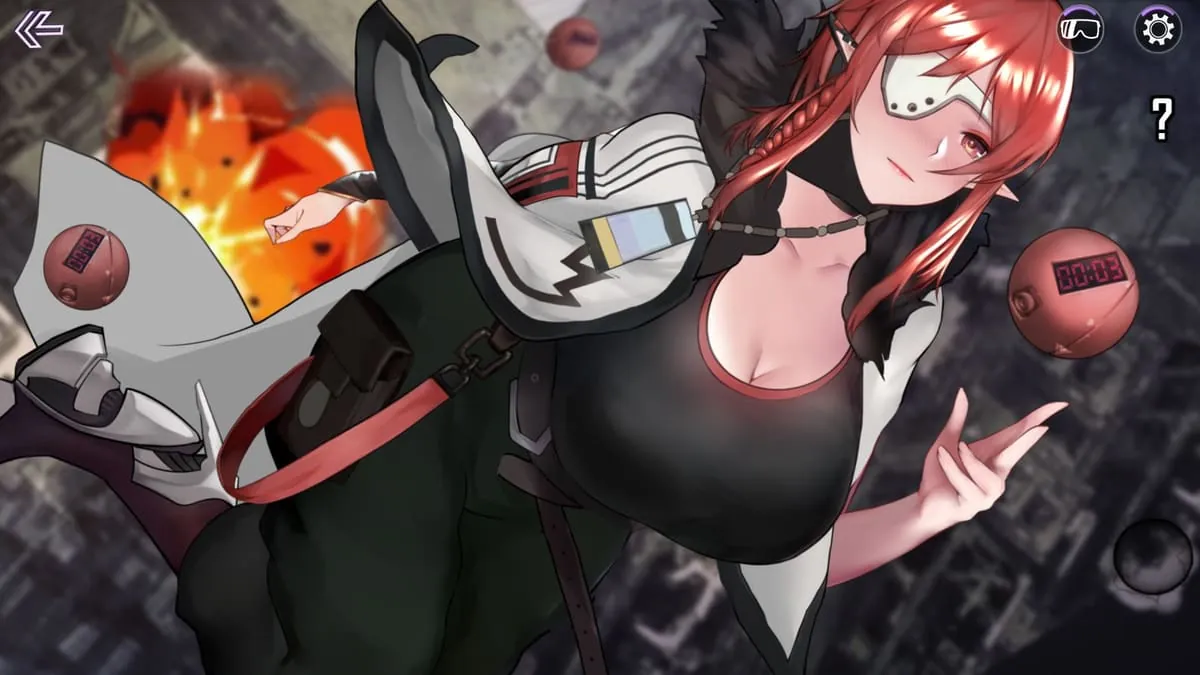
Stars of Salvation Screenshots
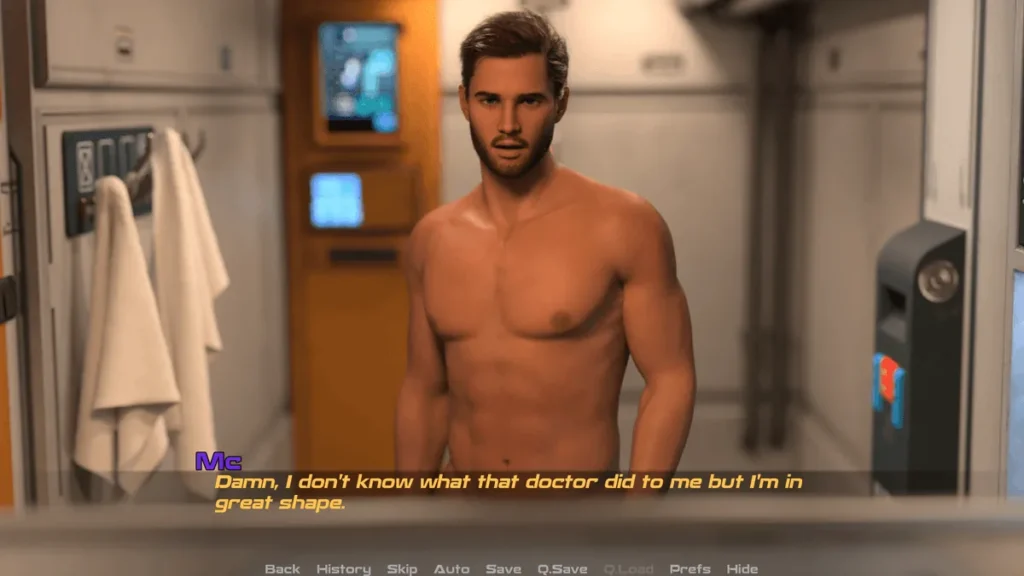

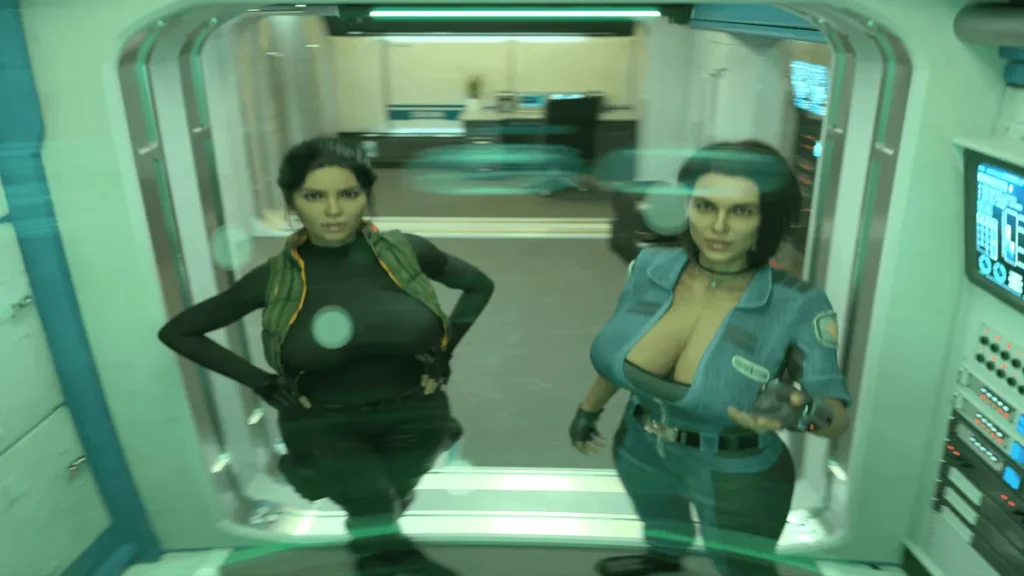

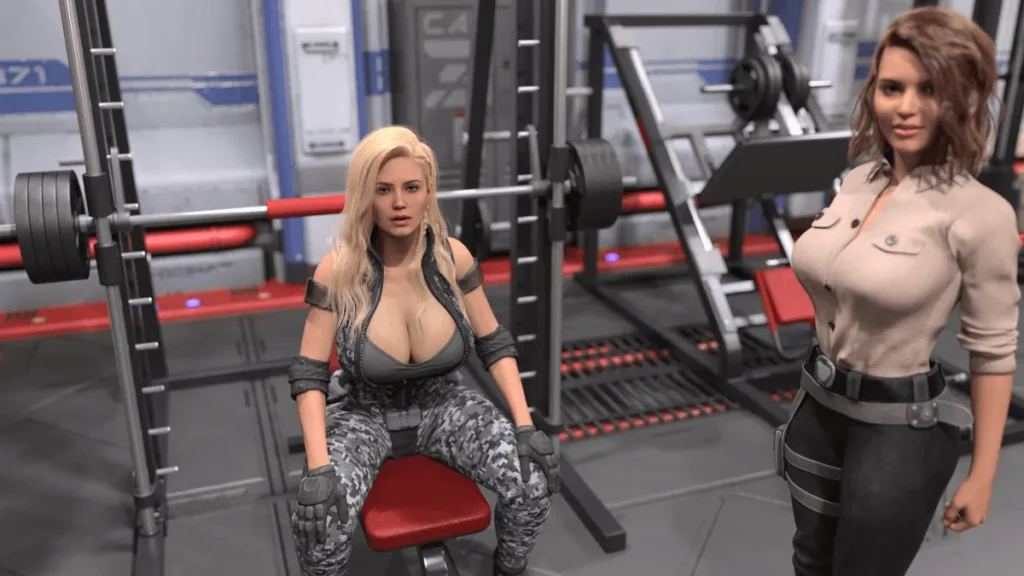
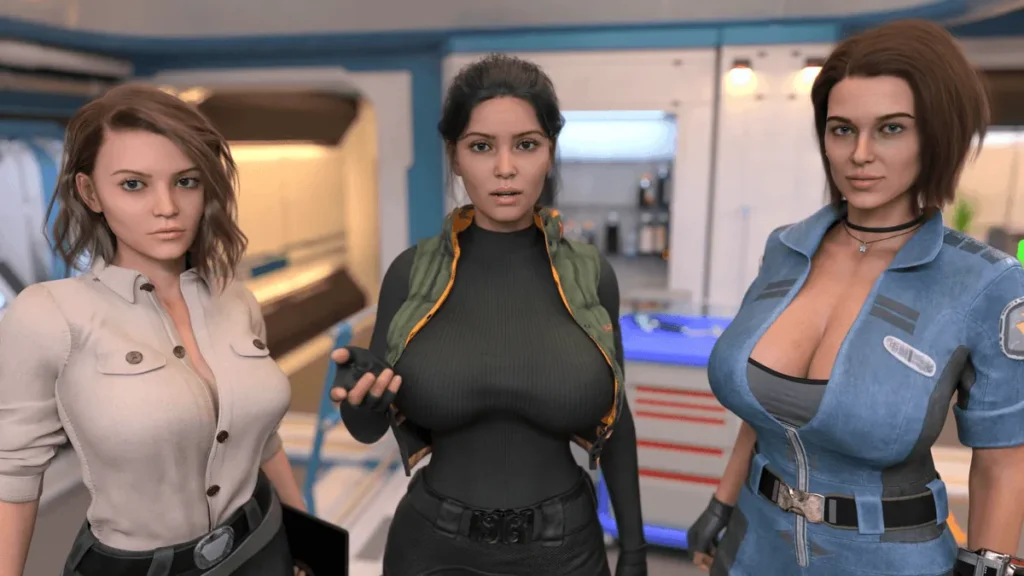
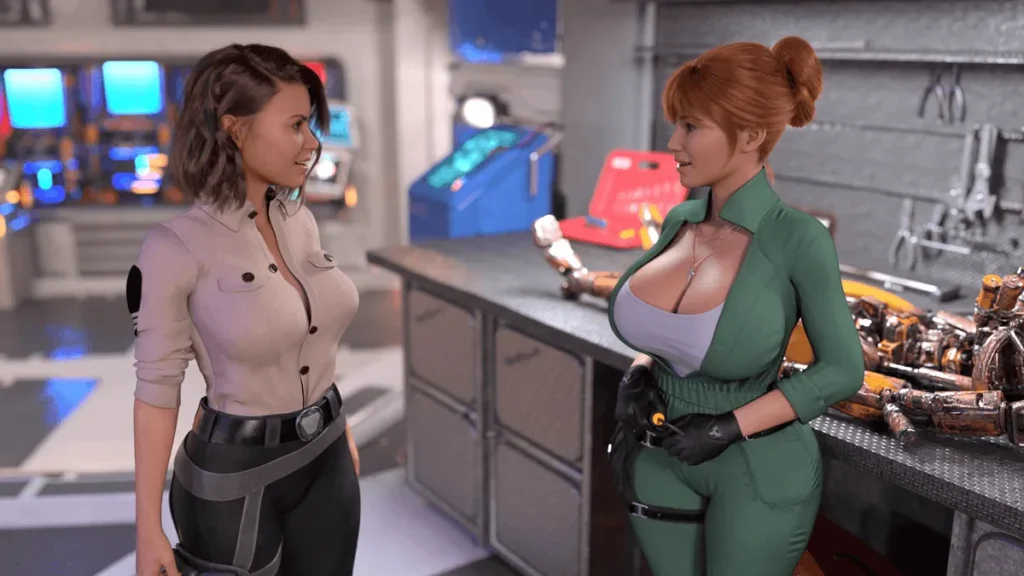
Stars of Salvation review
Exploring gameplay mechanics, narrative depth, and immersive storytelling in this unique adult visual novel experience
Stars of Salvation stands out as a distinctive entry in the visual novel genre, blending science fiction elements with intimate narrative experiences. This sci-fi visual novel combines thrilling adventure storytelling with the personal connection that visual novels are known for. Whether you’re new to the genre or a seasoned player, understanding what makes Stars of Salvation unique can help you decide if this game aligns with your interests. This guide explores the core features, gameplay mechanics, and narrative elements that define this immersive experience.
Understanding Stars of Salvation: Gameplay and Narrative Structure
Ever feel like you’re just clicking through a pretty slideshow when you play a visual novel? 😴 You know the drill—static characters, a single predictable path, and choices that feel about as impactful as choosing paper or plastic at the grocery store. I’ve been there, trust me. I used to think the genre was all style and no substance… until I got utterly lost in the sprawling, heart-pounding universe of Stars of Salvation. This isn’t just another narrative; it’s a masterclass in sci-fi adventure storytelling where every decision you make echoes across the stars and resonates in the hearts of your crew. 🚀
This Stars of Salvation visual novel redefines what an interactive fiction experience can be. It seamlessly blends epic, galaxy-spanning conflict with deeply personal, intimate moments, making you feel like both the commander of a fragile hope and a friend navigating complex bonds. Forget passive reading; you are the architect of your own destiny here. Let’s dive into exactly how this game builds its incredible world and why its sci-fi visual novel gameplay has captured the imaginations of so many players.
What Makes This Sci-Fi Visual Novel Stand Out
So, what’s the secret sauce? 🤔 Why does Stars of Salvation linger in your mind long after you close the game? It all comes down to a fearless commitment to duality. This game refuses to be pigeonholed. It delivers the grand scale and existential threats you crave from a space opera, while simultaneously offering the nuanced, character-driven depth of a literary drama. One moment you’re negotiating a tense truce between alien factions, the next you’re sharing a vulnerable, quiet drink with your engineer, learning about the scars they carry.
Here are the key features that define this standout experience:
- A Living, Breathing Sci-Fi World: The setting isn’t just a backdrop. It’s a character in itself. You’ll explore dystopian corporate colonies, mysterious derelict alien vessels, and lush, uncharted planets, each with its own history and political tensions that directly influence the plot.
- Meaningful Player Agency: This is the core of the choice-based narrative game philosophy. Your choices aren’t just moral binaries (good vs. evil). They are tactical, diplomatic, and deeply personal, shaping everything from mission success to the very personality of your protagonist.
- Complex Character Webs: Forget simple romance routes. Every major character has their own ambitions, secrets, and trauma. Your relationships with them are built on a foundation of trust, respect, and the countless small decisions you make together, powering intricate character relationship mechanics.
- Branching Narrative with Real Consequences: The visual novel story branching here is staggering. A choice in Chapter 2 can determine which characters are even alive to help you in Chapter 6, leading to entirely different missions and emotional payoffs.
- A Balance of Spectacle and Intimacy: The game masterfully pivots between epic starship battles, desperate scrambles on hostile worlds, and hushed, confessional dialogues. This pacing keeps you emotionally invested and constantly on your toes.
In essence, Stars of Salvation understands that the fate of the galaxy feels hollow unless you also care about the fate of the people fighting for it. It’s this marriage of the monumental and the minute that makes it so unforgettable. ✨
Core Gameplay Mechanics and Player Interaction
Let’s get practical. What do you actually do in this Stars of Salvation visual novel? If you’re imagining a click-to-advance text adventure, think again. The sci-fi visual novel gameplay is built on a robust system of interactivity that places you firmly in the captain’s chair.
At its heart, this is a choice-based narrative game. But these aren’t the illusion of choice. The game tracks a hidden web of variables—your reputation with factions, the trust level with each crew member, your strategic inclinations, and even your personal ethical code. When you’re presented with a decision, you’re not just picking dialogue; you’re feeding data into this complex system.
For example, early on, you might encounter a damaged refugee ship. You can:
* Risk your own vessel to tow them to safety (Boosts “Idealism,” earns gratitude from certain factions, but consumes precious resources and time).
* Share their coordinates with a nearby patrol (Boosts “Pragmatism,” keeps you on schedule, but may doom them if the patrol is corrupt).
* Take their remaining supplies and leave (Boosts “Ruthlessness,” gains resources, but devastates your crew’s morale and trust).
I remember choosing the “pragmatic” option once, thinking I was being smart. Three chapters later, a character I needed help from turned out to be the brother of a refugee on that ship. He coldly refused to speak to me, and I had to find a much more dangerous alternate path. The game remembers. 🧠
This is where the brilliant visual novel story branching comes alive. Major story junctions can lead to completely different scenarios. One playthrough might have you forging an alliance with a reclusive alien hive-mind, while another might see you leading a revolution on a corporate mining planet. The core threat remains, but your journey to confront it is uniquely yours.
| Your Choice Type | Immediate Gameplay Effect | Long-Term Narrative Branching |
|---|---|---|
| Diplomatic / Charismatic | Unlocks new dialogue options, avoids combat sequences. | Can unlock peaceful resolutions with factions, leading to unique allies and support in the final act. |
| Tactical / Aggressive | Leads to action-oriented sequences, secures resources through force. | May create enduring enemies, but earns the respect of militaristic characters, opening different mission paths. |
| Empathetic / Supportive | Deepens bonds with individual crew members, reveals their backstories. | Directly impacts character relationship mechanics. High trust can lead to characters risking their lives for you or offering crucial, unique skills at key moments. |
| Deceptive / Self-Serving | Gets short-term advantages, extra credits, or information. | Erodes trust. Characters may discover your lies later, leading to betrayal, abandonment, or being locked out of their story arcs entirely. |
This matrix of cause and effect is what makes the interactive fiction experience so rich. You’re not watching a story unfold; you’re conducting it, for better or worse. Every interaction is a building block for your own personal epic. 🎭
Narrative Depth and Story Progression
The true magic of Stars of Salvation lies not just in where the story can go, but in how deeply you experience it. The narrative is a meticulously paced, multi-layered construct. It begins with a personal crisis—your escape from a collapsing world—and slowly expands in scope until you realize you’re entangled in something that threatens the fundamental fabric of known space. This slow-burn approach to sci-fi adventure storytelling is genius; it makes the universe feel vast, mysterious, and truly lived-in.
World-building is delivered not through dry encyclopedic entries, but through environmental details, off-hand crew conversations, and the consequences of ancient history playing out in the present. You learn about the brutal Corporate Wars by seeing the cybernetics on a veteran who fought in them. You understand the alien Precursors by puzzling over the ruins they left behind, which your science officer interprets based on her own expertise (which you influenced through earlier choices!).
Character arcs are the emotional engine of this machine. The character relationship mechanics are organic and demanding. You can’t just pick “flirt” options to win someone over. Relationships are built by consistently supporting a character’s values, choosing them for critical missions, and respecting (or challenging) their boundaries. I’ll never forget my first playthrough with Kaelen, the cynical pilot with a hidden heart of gold. By consistently backing his reckless but brave plans, I unlocked a side story about his lost family that completely changed my understanding of his motivations and altered a major plot event later on. It felt earned, not given. 💫
This depth is what demands multiple playthroughs. Your first run is your story—flawed, personal, and complete. But then the curiosity hits: “What if I trusted that other faction?” “What was that character hiding if I’d been kinder to them?” The visual novel story branching ensures that a second or third playthrough isn’t a rerun with slight variations; it can be a radically different narrative with new allies, new enemies, and shocking new revelations about the central mystery. You might discover that a hero in one path is a villain in another, all based on your perspective and actions.
The Stars of Salvation visual novel uses its format not as a limitation, but as its greatest strength. Without the need to budget for real-time combat or open-world rendering, all its creative power is focused on what matters most: writing, character development, and constructing a narrative labyrinth with countless valid paths. It proves that the most immersive universe isn’t always the one you can walk around in, but the one you can get truly, emotionally lost inside.
Tip for Your First Playthrough: Go with your gut. Don’t try to meta-game or guess the “best” outcome. The most powerful interactive fiction experience in Stars of Salvation comes from role-playing authentically and living with the consequences. You can always explore the other branches later!
FAQ: Your Stars of Salvation Questions, Answered
Q: I’m new to visual novels. Is this a good place to start?
A: Absolutely! While it’s deep, its sci-fi visual novel gameplay is very intuitive. It’s all about reading and making choices. If you enjoy story-driven games like Mass Effect or Disco Elysium, you’ll feel right at home. This is a premier interactive fiction experience.
Q: How long is a single playthrough?
A: A focused, single-path playthrough typically takes 12-16 hours. However, to experience a significant portion of the major visual novel story branching, expect to invest 40+ hours across multiple runs.
Q: Are the relationships just romantic?
A: Not at all! The character relationship mechanics cover a full spectrum: deep platonic friendships, mentor-student dynamics, respectful rivalries, and bitter antagonism. Romance is one possible path, but it’s never the sole focus or guaranteed.
Q: Do my small, casual dialogue choices really matter?
A: More than you might think! While not every single line reshapes the plot, consistent patterns in your dialogue build your protagonist’s personality and influence how characters perceive and react to you in critical moments later on.
Q: Is there a “game over” or fail state?
A: Yes, but they are narrative-driven. Making a series of catastrophic choices or failing key relationship checks can lead to tragic endings for you or your crew. These aren’t punishments, but powerful, valid conclusions to your unique story.
Stars of Salvation represents a compelling fusion of science fiction adventure and intimate visual novel storytelling. By combining choice-driven narratives with immersive sci-fi world-building, the game offers players a unique experience that goes beyond traditional visual novels. The depth of character relationships, branching storylines, and meaningful player choices create an engaging experience that rewards exploration and multiple playthroughs. Whether you’re drawn to the sci-fi elements, the narrative complexity, or the character-driven storytelling, Stars of Salvation delivers a memorable interactive experience. If you’re interested in exploring this game, consider starting with an open mind about the visual novel format and be prepared to engage with the choices that shape your personal story within this expansive sci-fi universe.