Play My Tuition Academia
My Tuition Academia Screenshots








My Tuition Academia review
Explore gameplay mechanics, character customization, and story choices in this life simulation experience
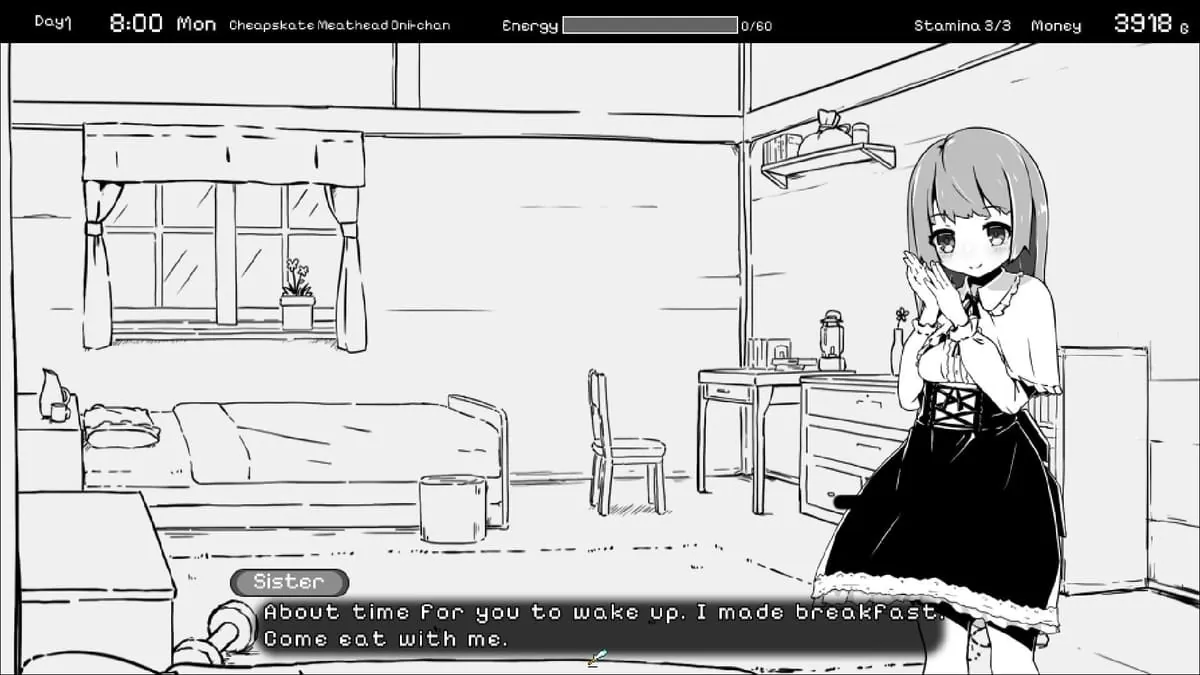
My Tuition Academia is a life simulation game that puts you in control of a female protagonist navigating the challenging balance between education and financial survival. The core premise revolves around managing student debt while making strategic choices about work, relationships, and personal development. With over 75 scenes, multiple endings, and extensive customization options, this game offers players an open-ended experience where every decision shapes your character’s journey. Whether you’re interested in the roleplaying mechanics, character relationships, or the various career paths available, this guide covers everything you need to know about maximizing your gameplay experience.
Gameplay Mechanics & Core Features
Let’s be real—when you first boot up My Tuition Academia, you’re probably thinking it’s just another school sim. I made that mistake, too. I created my character, saw the mountain of virtual student debt, and thought, “How hard can it be?” 🎮 Cue my first playthrough ending in academic probation, a corrupted character working a shady job, and debt collectors at the door. It was a beautiful disaster. It turns out, mastering the My Tuition Academia gameplay mechanics is the difference between thriving and barely surviving.
This isn’t just about attending class. It’s a deep, sometimes brutally honest, life simulation game features blend where every choice has a tangible cost. Your time, your sanity, and your character’s very soul are the currencies you spend. This chapter is your survival manual. We’re breaking down the core systems—the daily grind, your stats, and that relentless clock—so you can craft a success story (or a delightfully chaotic one) on your own terms.
How the Life Simulation System Works
At its heart, My Tuition Academia is a game of balancing acts. Think of it as a pressure cooker where you juggle lectures, part-time jobs, social life, and the ever-present specter of your loan statement. The core loop is deceptively simple: you live week-to-week, making choices that fill your time and shape your future.
The most defining life simulation game features here are the interconnected systems of Debt and Corruption. Your student debt isn’t just a number on a screen; it’s the game’s primary motivator and timer. Each term, the interest compounds. Seeing that total creep higher is a fantastic, anxiety-inducing piece of gameplay that mirrors real-life stress. The game brilliantly tracks your progress toward debt repayment through a dedicated screen showing your principal, interest rate, and a projected payoff date based on your current earnings. Different story branches can trigger based on this! Let your debt spiral out of control, and you’ll unlock narrative paths involving desperate measures, loan sharks, and tragic endings. Make consistent payments, and you’ll open up opportunities for scholarships, internships, and more hopeful conclusions.
Then there’s the character corruption system. This is where My Tuition Academia gets really interesting. Corruption isn’t a simple “evil” meter. It’s a measure of your character’s willingness to cut corners, embrace ruthlessness, or trade ethics for quick gains. Skip too many classes to work a dubious but high-paying gig? Your Knowledge stat might suffer, but your Corruption rises. Choose to blackmail a rival instead of outperforming them? That’s a big Corruption boost. This system directly influences dialogue options, which job offers you receive, how other characters perceive you, and even the game’s final act. A low-corruption path is a challenging, honest grind. A high-corruption path is a slippery, often exhilarating, slope to power by any means necessary. 🎭
My Tip: Don’t fear Corruption on a first playthrough! It unlocks unique storylines and abilities you can’t access otherwise. Sometimes, bending the rules is the only way to get ahead before the debt crushes you.
The world reacts to you dynamically. Your stats and reputation open or close doors. A high Charisma stat might get you invited to an exclusive party where you can network for a better job. A low Integrity stat might get you approached by a seedy character with a “can’t-refuse” offer. This reactive world is what makes the life simulation game features here feel so meaningful and immersive.
Character Progression & Stat System
Your avatar in this world is defined by six core attributes. These aren’t just numbers; they’re the lens through which you interact with every part of the game. Neglecting one can shut down entire story avenues, while specializing can make you a powerhouse in a specific field. Understanding this character stats and progression system is key to building the graduate (or dropout) you envision.
Here’s a breakdown of each stat:
- Intellect: 📚 The foundation of academic success. This governs your performance in exams, your ability to understand complex lecture material, and unlocks advanced courses. High Intellect is non-negotiable for players aiming for academic scholarships or prestigious graduate program storylines.
- Stamina: 💪 Your physical and mental energy pool. Every action consumes stamina. A higher pool means you can pack more into a single day—like studying after a double shift—without collapsing and losing the next day to fatigue.
- Charisma: 🗣️ Your social currency. This affects your ability to make friends, persuade classmates and professors, and excel in customer-facing jobs. High Charisma can get you out of tight spots and is essential for building a supportive social network.
- Skill: ✍️ Your practical, hands-on ability. This covers everything from lab work and art projects to the technical aspects of part-time jobs. It’s crucial for vocational paths and many of the higher-paying campus jobs.
- Integrity: ⚖️ The counterweight to Corruption. This stat reflects your principles and honesty. It’s raised by doing the “right” thing, even when it’s harder. High Integrity opens up paths like becoming a teaching assistant, winning character-based awards, and maintaining trust with key allies.
- Appearance: 👗 While it might sound superficial, this stat influences first impressions, certain job opportunities (like front-desk work or modeling), and some social interactions. It’s a stat that can be quickly improved with part of your budget, but it’s also one of the first to decay if you neglect self-care.
Character stats and progression happens through use. Want to raise Intellect? Spend time in the library or attend extra seminars. Need more Skill? Take on a manual labor job or a hands-on elective. The game beautifully ties progression to activity. However, there’s a catch: Burnout. If you grind one stat relentlessly (like working 7 days a week for money), your Stamina and Integrity may plummet, and your Corruption might soar, leading to a breakdown.
I learned this the hard way. In one playthrough, I hyper-focused on Intellect and Skill, dreaming of a research career. My character became a socially-isolated, exhausted genius… who was then passed over for a crucial lab assistant role because my Charisma was so low the professor thought I’d be a nightmare to work with. Oops. 😅 The best character stats and progression strategy is a balanced, flexible approach, at least early on.
Time Management & Daily Scheduling
This is where the rubber meets the road. The time management in My Tuition Academia is the ultimate puzzle, and your daily schedule system is the game board. Each day is broken into blocks: Morning, Afternoon, Evening, and Late Night. You can assign one primary activity to each block, and every choice comes with an opportunity cost.
You’ll be constantly weighing options. Is that evening shift at the cafe worth missing the study group that boosts both Intellect and Charisma? Should you use your Saturday Morning to sleep in and recover Stamina, or to work on a side hustle for extra cash? The daily schedule system doesn’t allow for everything, forcing you to define your priorities. This brilliant design creates genuine tension and makes every victory feel earned.
Mastering time management in My Tuition Academia requires understanding activity categories:
- Academic: Lectures, Library Study, Group Projects.
- Employment: Various part-time jobs, each with different pay, stat rewards, and time commitments.
- Personal: Exercise (boosts Stamina), Socializing (boosts Charisma), Hobbies (can boost Skill or reduce stress).
- Necessities: Eating, Sleeping, Shopping. Never skip sleep entirely—fatigue penalties are severe.
To help you plan your financial survival, here’s a breakdown of early-game job opportunities. Choosing the right one for your current stats and goals is a major first step in learning how to manage student debt in game.
| Job Type | Time Block | Earnings (Weekly) | Primary Stat Boost | Stat Requirements / Notes |
|---|---|---|---|---|
| Campus Library Aid | Afternoon, Evening | Low | Intellect + Small Stamina | Requires Intellect 3. Very low stress, allows light studying on the job. |
| Retail Associate | Flexible (All Blocks) | Medium | Charisma | No requirement. High Charisma can unlock bonus commissions. |
| Food Service Worker | Evening, Late Night | Medium | Stamina + Small Skill | No requirement. High stress, but sometimes includes free food (saves money). |
| Freelance Tutoring | Scheduled by Player | High (per session) | Intellect + Charisma | Requires Intellect 5. Inconsistent schedule, but excellent pay and rewards. |
| “Quick Cash” Gigs (Shady) | Late Night | Very High | Corruption + Varies | Often requires low Integrity. Fast-tracks debt repayment but risks story consequences and major Corruption gains. |
So, how do you actually manage student debt in game without burning out or selling your soul? The key is consistency. Small, regular payments are better than erratic large ones, thanks to interest. Use the table above to find a job that aligns with the stats you want to grow. The Library Aid job, for instance, is a slow-but-steady choice for academic builds.
Personal Insight: I found the most success by treating my schedule like a real-world budget. I “paid myself” first by blocking out fixed times for lectures and sleep. Then, I allocated remaining blocks to my highest “bill”—usually my weekly debt payment target—by working. Whatever time was left over was for stat-building and fun. It’s a rigid but effective method.
Finally, your choices in conversations and events can often save or cost you precious time. Successfully persuading a professor might mean a tough assignment takes one less time block to complete. Failing a social check with a club president might mean you have to spend extra blocks to gain their favor later.
To put all this theory into practice, here is a step-by-step guide for your crucial first week:
- Day 1 (Monday): Attend all mandatory lectures. Use your free block to visit the Student Center and apply for the Campus Library Aid job if your Intellect is 3. If not, apply for Retail Associate. In the evening, cook a cheap meal (saves money vs. eating out) and go to bed early to set a good sleep rhythm.
- Day 2 (Tuesday): Lectures again. Use your free block for a Library Study session to start boosting Intellect. Work your first job shift in the evening. 🏪
- Day 3 (Wednesday): Mid-week lectures. Use a free block for something social—join a club or chat with a classmate. This builds Charisma and prevents early isolation. Work your second job shift.
- Day 4 (Thursday): This is a good day to use a free block for Exercise at the campus gym. It costs nothing and boosts your crucial Stamina stat for the long week. Attend lectures and work if scheduled.
- Day 5 (Friday): Lectures, then celebrate making it through the week! Use an evening block for a clear Social activity. Building relationships early pays off later with favors and study partners.
- Weekend (Sat/Sun): This is your strategic sandbox. Dedicate one full day (3-4 blocks) to focused studying or a big job shift to make your debt payment. Use the other day for a mix: one block for rest, one for personal stat growth (Skill or Appearance), and one for optional social or exploration events.
Remember, this is just a template. The beauty of My Tuition Academia gameplay mechanics is that they give you the tools to succeed—or fail spectacularly—on your own terms. Your schedule is your story. Will you be the disciplined scholar, the charismatic networker, or the cunning operator who masters the character corruption system? The blocks of time are waiting. It’s your move.
My Tuition Academia delivers a rich life simulation experience that combines strategic gameplay with meaningful player choice. The game’s strength lies in its comprehensive customization options, diverse relationship paths, and the freedom to approach objectives in multiple ways. Whether you’re drawn to the character development system, the relationship mechanics, or the exploration of an open world with 16 unique locations, the game offers substantial replay value through its 11 different endings and specialized systems like pregnancy mechanics. The balance between managing finances, maintaining relationships, and progressing through the story creates an engaging experience that rewards experimentation and different playstyles. For players seeking a life simulation with depth, choice, and extensive content variety, My Tuition Academia provides a compelling gaming experience.