The Theater of Sinners
Play The Theater of Sinners
The Theater of Sinners Screenshots
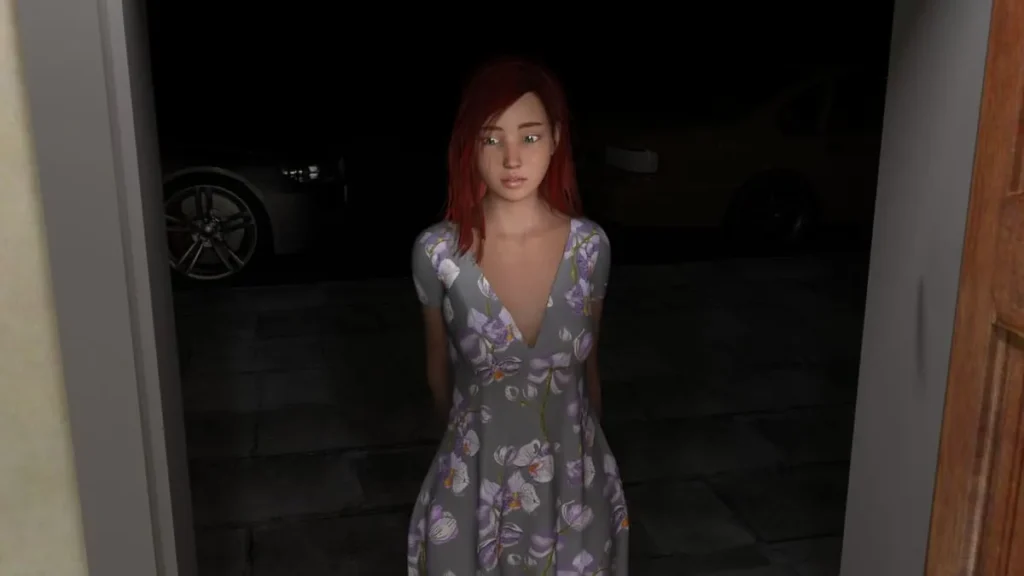
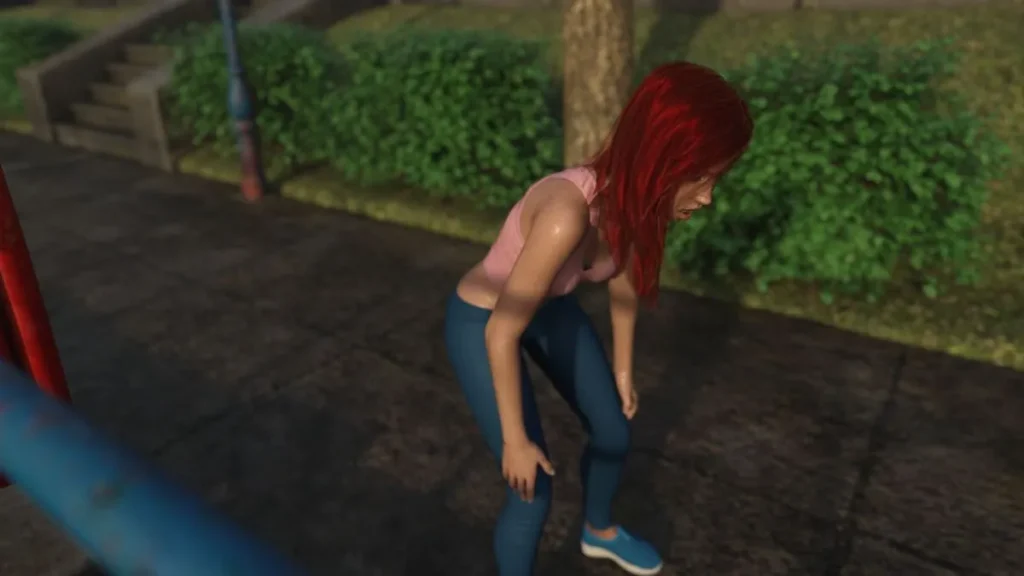
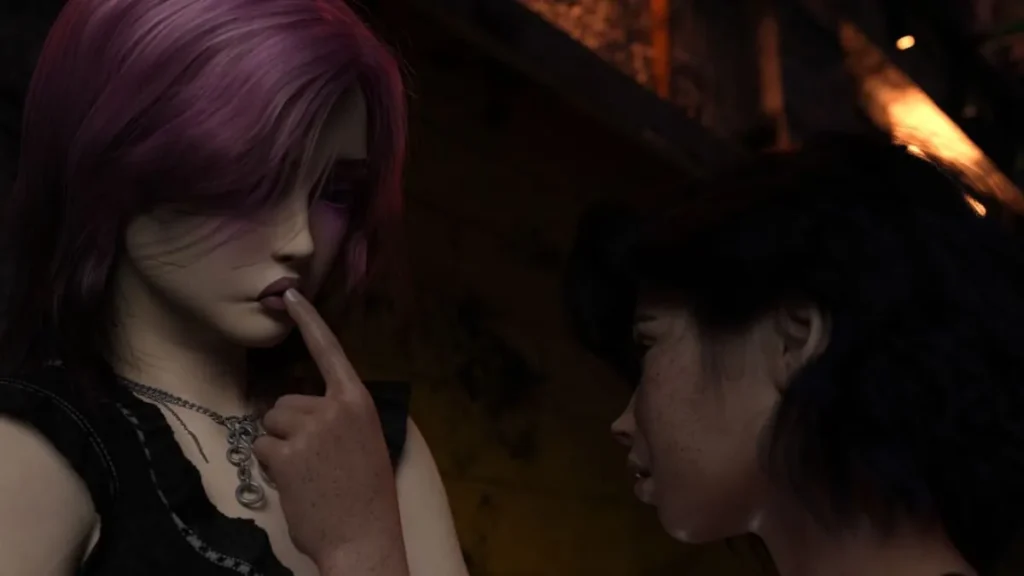
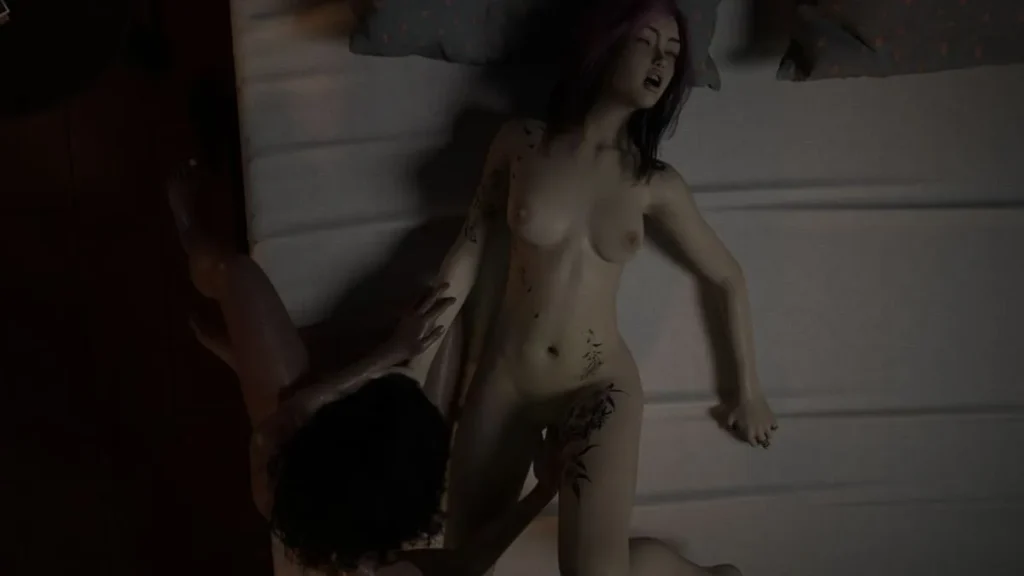
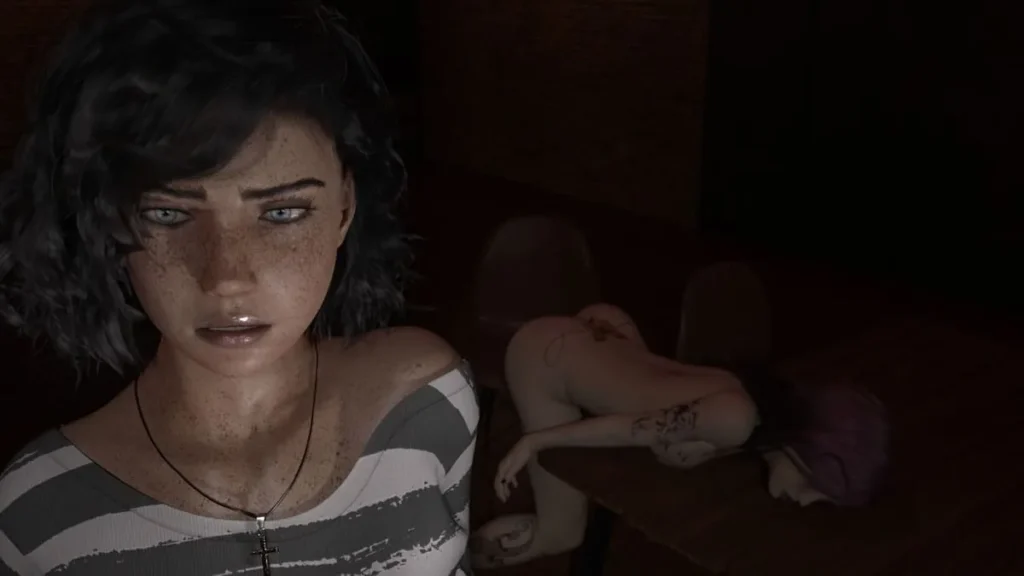


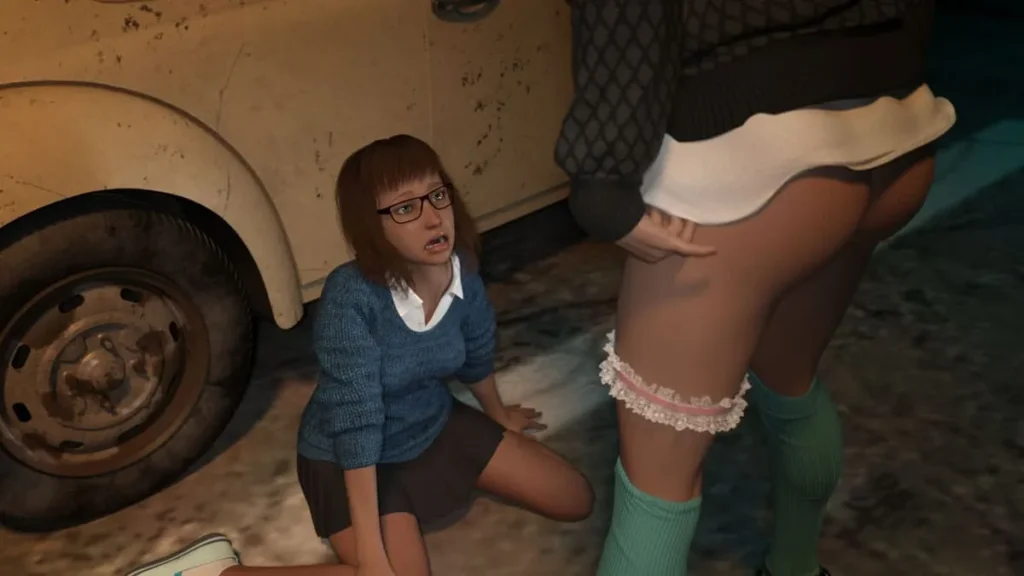
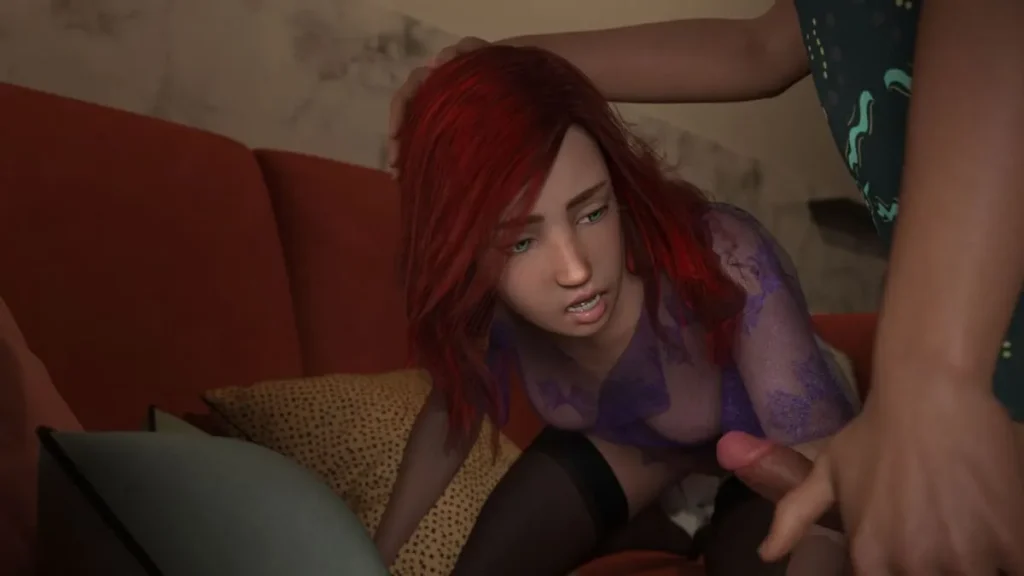
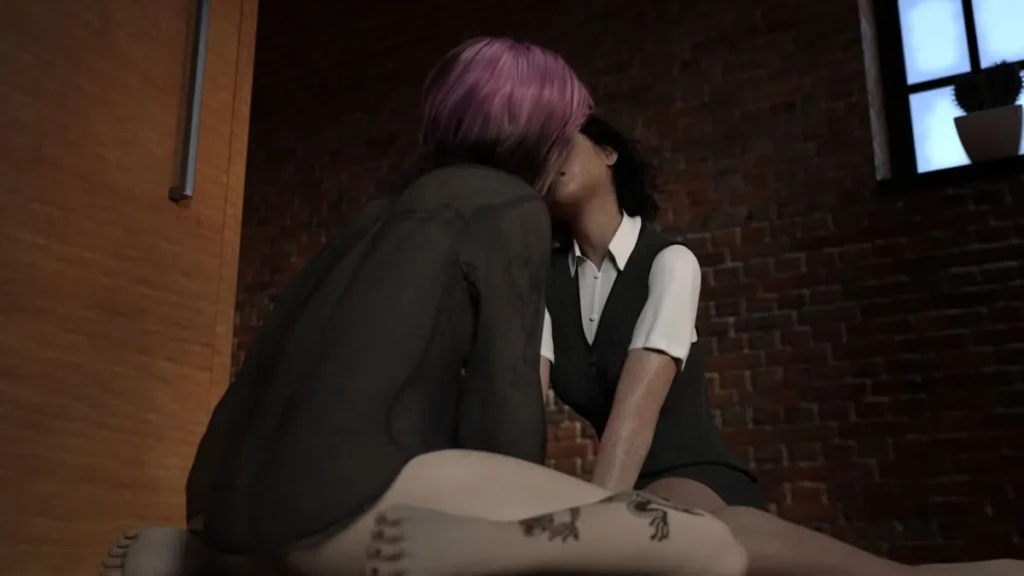



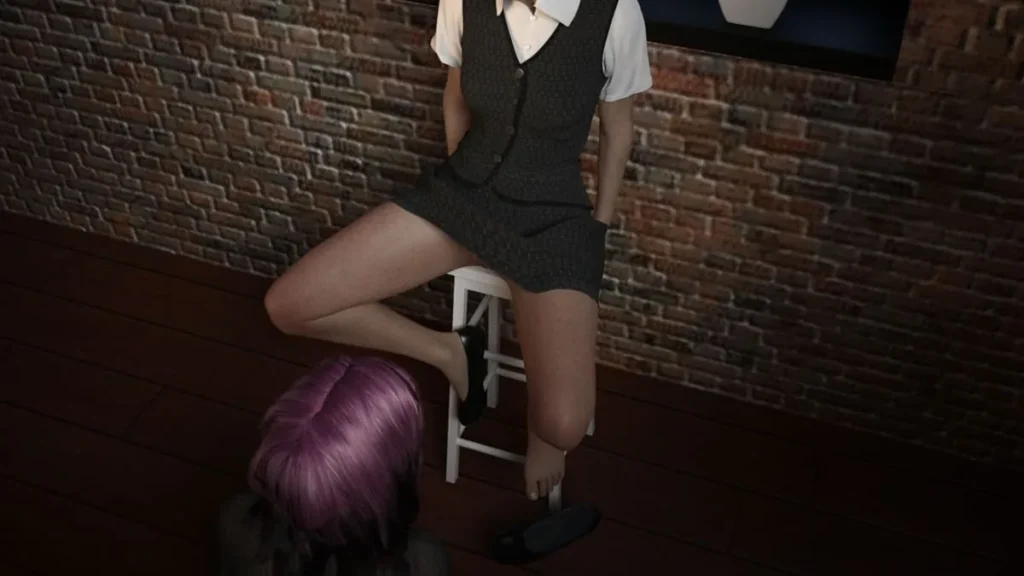
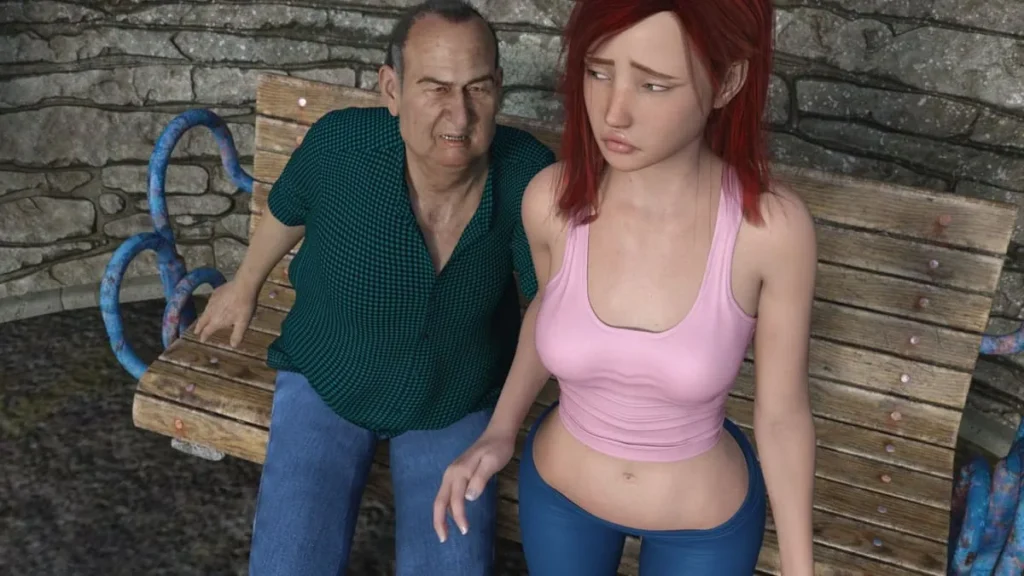
The Theater of Sinners review
Dive into humiliation, corruption, and twisted choices in this Ren’Py adult horror game
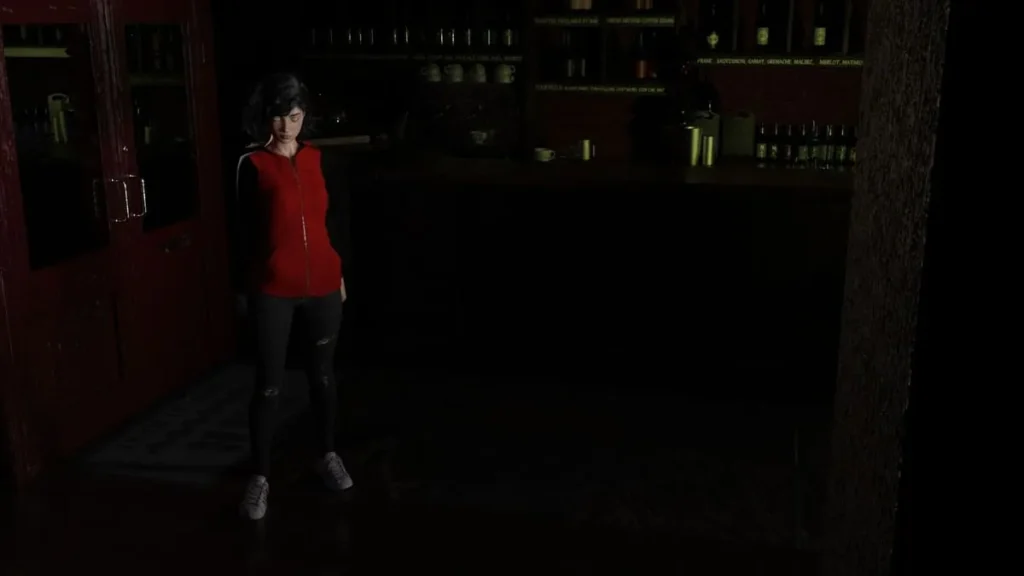
Imagine stumbling into a shadowy world where every choice drags you deeper into moral decay and forbidden thrills—that’s ‘The Theater of Sinners.’ This Ren’Py visual novel by JustXThings grips you with its psychological horror fused with intense adult themes like humiliation and corruption. Follow Paula, the sheltered daughter tangled with delinquents, and Rebeca, scarred by abuse, as their lives intertwine in brutal, branching stories. I first played during a late-night session, heart racing from the suspenseful twists, and it hooked me instantly. If you’re craving a game that blurs good and evil while delivering raw, decision-driven narratives, this guide uncovers everything you need to know about ‘The Theater of Sinners’ gameplay, characters, and hidden depths.
What Makes The Theater of Sinners a Must-Play Horror Experience?
I still remember the first time I booted up The Theater of Sinners. It was late, the room was dark, and within minutes, the game’s opening had my heart hammering against my ribs. 😨 The eerie soundtrack, the stark, beautiful art, and the immediate sense of dread—it wasn’t just a game; it felt like peering into a twisted, beautifully illustrated nightmare. I was up half the night, completely ensnared by its dark magic. If you’re wondering what is The Theater of Sinners, it’s a masterclass in psychological tension, blending adult themes with genuine horror in a way few RenPy visual novel experiences ever achieve.
So, what is it about this dark horror visual novel that makes it so unforgettable? Let’s pull back the velvet curtain.
Unpacking the Core Storyline and Protagonists
At its heart, The Theater of Sinners is a devastating character study of two young women, Paula and Rebeca, whose lives are spiraling in different yet tragically similar ways. This isn’t a simple tale of good versus evil; it’s a deep, often uncomfortable exploration of how pain breeds more pain.
You’ll experience the Paula and Rebeca story through interwoven narratives and non-linear flashbacks. Paula, the daughter of a powerful public figure, is the target of vicious bullies who systematically break her spirit, pushing her towards acts of public deviance as a form of twisted control. Rebeca’s story is a cycle of inherited trauma; raised by a neglectful addict mother and a violently abusive step-father, she finds herself mirroring the very cruelty she despises, becoming a predator to avoid being prey.
The genius of the storytelling lies in its structure. Their stories crash into each other, and the order in which you witness key events—shifting between past and present—fundamentally changes your understanding of their motivations. One moment you’re sympathizing with a victim, the next you’re horrified by their actions. This constant moral recalibration is the core of The Theater of Sinners gameplay.
How Decisions Shape Brutal Outcomes?
This is where The Theater of Sinners truly shines. Every choice feels heavy, like you’re tipping dominoes in a gallery of porcelain faces. 🎭 The The Theater of Sinners decisions you make don’t just lead to a “good” or “bad” ending. Instead, they silently raise hidden stats that govern the characters’ mental states—metrics like Submission, Corruption, or Defiance.
Pro Tip: For your first playthrough, focus on building one or two stats consistently. Trying to balance everything often leads to a middling, harsh path. Specializing can unlock specific, startling milestones.
These stats are the invisible directors of the play. They determine which scenes you access, the tone of dialogues, and the severity of outcomes. A high “Corruption” stat might unlock a path where Paula embraces her notoriety with a frightening smile, while a high “Defiance” could lead Rebeca to a moment of shocking, violent rebellion. A seemingly small choice, like whether to endure a humiliation silently or fight back, can branch the narrative into vastly different territories of light or utter darkness.
I once made a choice for Rebeca to show a moment of unexpected vulnerability to someone she was supposed to torment. This single decision, which raised an “Empathy” stat I didn’t even know I was tracking, later unfolded into a subplot of twisted, desperate romance that was more chilling than any overt act of horror. It felt earned, personal, and devastatingly real.
Exploring Kinks and Psychological Depth
Let’s be clear: The Theater of Sinners is an intense adult experience. Its themes are not for the faint of heart. However, it uses its adult content not for titillation, but as a narrative tool to explore power, trauma, and fractured psyches. The The Theater of Sinners gameplay integrates these elements to show how characters use intimacy—or the perversion of it—as currency, weapon, or escape.
The game explores a spectrum of intense themes, always in service to the story:
* Power Dynamics & Control: Scenes of intense dominance and submission that highlight the characters’ loss of autonomy.
* Moral Corruption: The slow, chilling process of a character internalizing the abuse they receive.
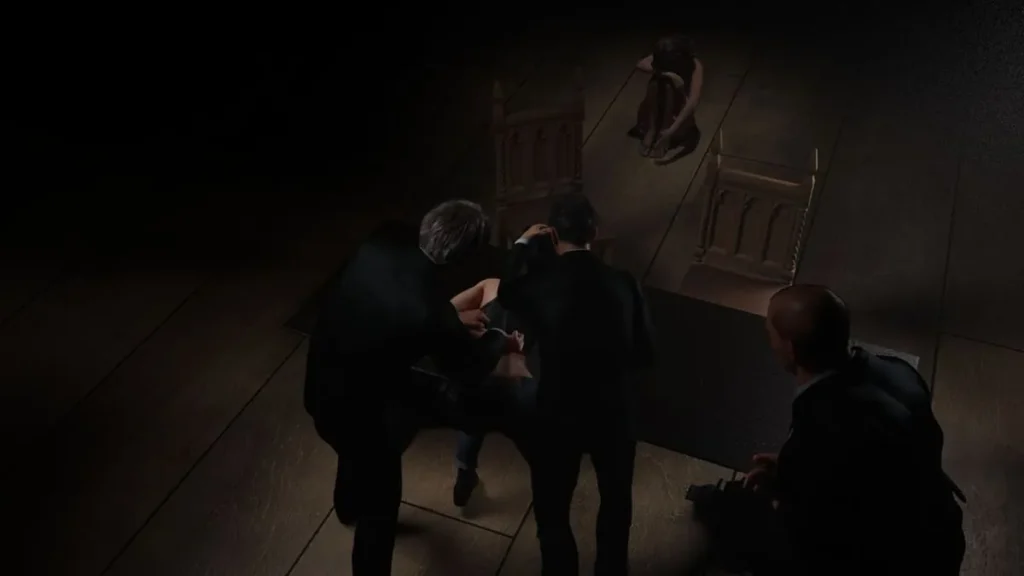
* Coercive Encounters: Situations where choice is stripped away, emphasizing vulnerability and terror.
* Public Exposure & Voyeurism: Moments where privacy is violated, tying into themes of shame and objectification.
What makes it so psychologically potent is the staggering attention to detail in the character sprites. A slight tremble of the lip, a vacant stare, a tear that wells but doesn’t fall—these micro-expressions sell the horror far more than any gore ever could. The dialogue is strained, real, and often heartbreaking. It feels less like fiction and more like you’ve stumbled upon someone’s raw, private diary. This realism is what makes this dark horror visual novel so immersive and unsettling.
Getting Started & Stat-Building Guide
Getting into the Theater of Sinners is straightforward. Download the game file (usually a .zip or .rar), extract it, and run the included Ren’Py executable. As for playing, here’s a practical tip for managing the narrative flow based on your chosen path:
| Focus Stat | Recommended Early Choices (Examples) | Potential Story Milestone |
|---|---|---|
| Submission | Choose passive dialogue options; comply with demands without argument. | Unlocks paths of resigned acceptance and deeper psychological dependency. |
| Corruption | Engage willingly with deviant acts; seek out degrading situations. | Leads to scenarios where the character begins to enjoy or initiate the darkness. |
| Defiance | Talk back; refuse orders; make plans for escape or retaliation. | Can open branches focused on violent upheaval or desperate escape attempts. |
FAQs for the Newcomer
Q: How do I install and run The Theater of Sinners?
A: It’s a standard RenPy visual novel installation. Download the game package, extract all files to a folder of your choice, and run the “.exe” file labeled “The Theater of Sinners” or “Ren’Py” to start your journey.
Q: I’m playing Version 0.3 Alpha 1. What does that include?
A: This build establishes the core Paula and Rebeca story, introducing their backgrounds, the core cast of antagonists, and several major branching paths. It features a significant amount of content, focusing on the initial corruption arcs and the intertwining of the two protagonists’ lives, offering a complete, if open-ended, narrative chunk.
Q: Do my stats carry over between playthroughs?
A: No, each new game starts stats from scratch. This encourages experimentation! Replayability is a huge part of The Theater of Sinners gameplay, as you actively choose to cultivate different stats to see entirely new scenes and outcomes.
The Theater of Sinners stands out in the crowded field of adult visual novels because it respects your intelligence and emotional capacity. It doesn’t just want to shock you; it wants to unsettle you, to make you ponder the choices you made and why you made them. It’s a grim, beautiful, and brilliantly crafted dark horror visual novel that uses the interactive nature of the RenPy engine to its fullest, proving that the most profound horrors aren’t found in monsters, but in the human heart and the devastating weight of our decisions. This is what The Theater of Sinners is truly about—and why it’s a must-play for anyone seeking a narrative that dares to dwell in the shadows.
The Theater of Sinners stands out as a raw, unflinching dive into twisted psyches, where your choices forge paths of corruption or fleeting redemption for Paula, Rebeca, and their flawed circle. From my sessions, the suspenseful branches and vivid art create nights of edge-of-your-seat tension and unexpected thrills. Whether you’re drawn to the horror, the dominance dynamics, or shaping detestable characters into something more, this Ren’Py gem delivers. Grab the latest version, fire it up, and let the theater’s shadows pull you in—your next obsession awaits. Share your wildest endings in the comments below!