The Sin Within
Play The Sin Within
The Sin Within Screenshots

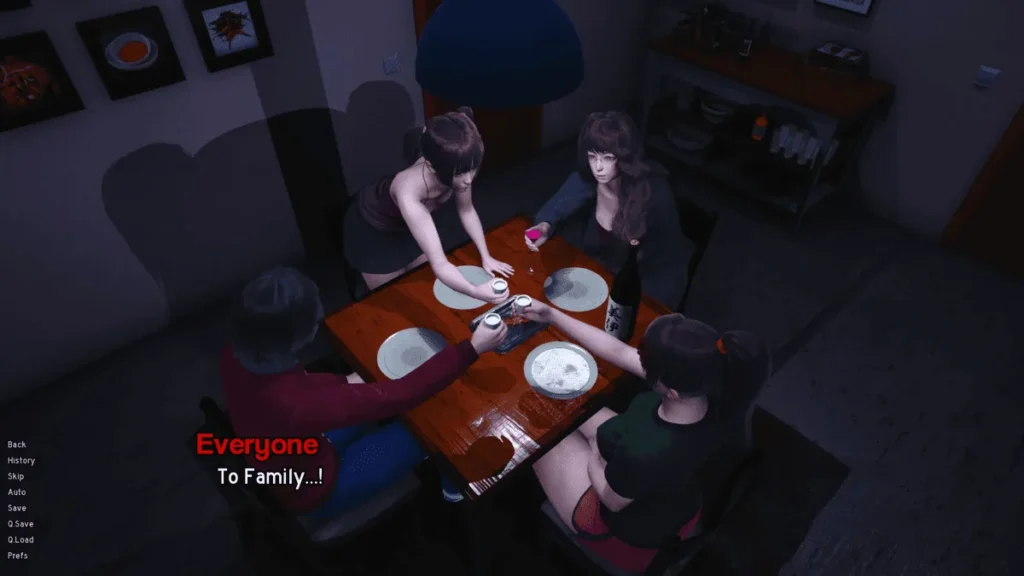
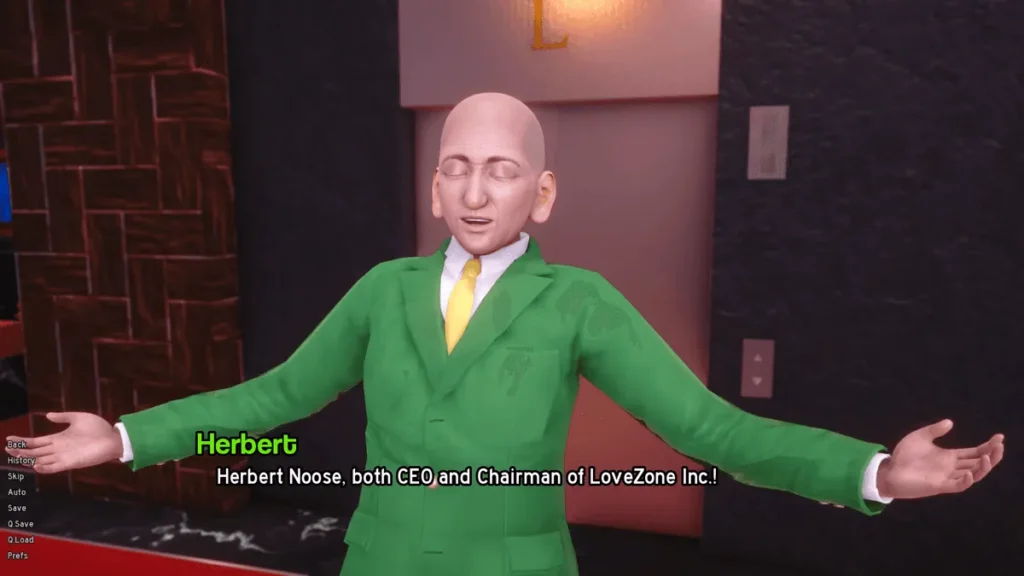


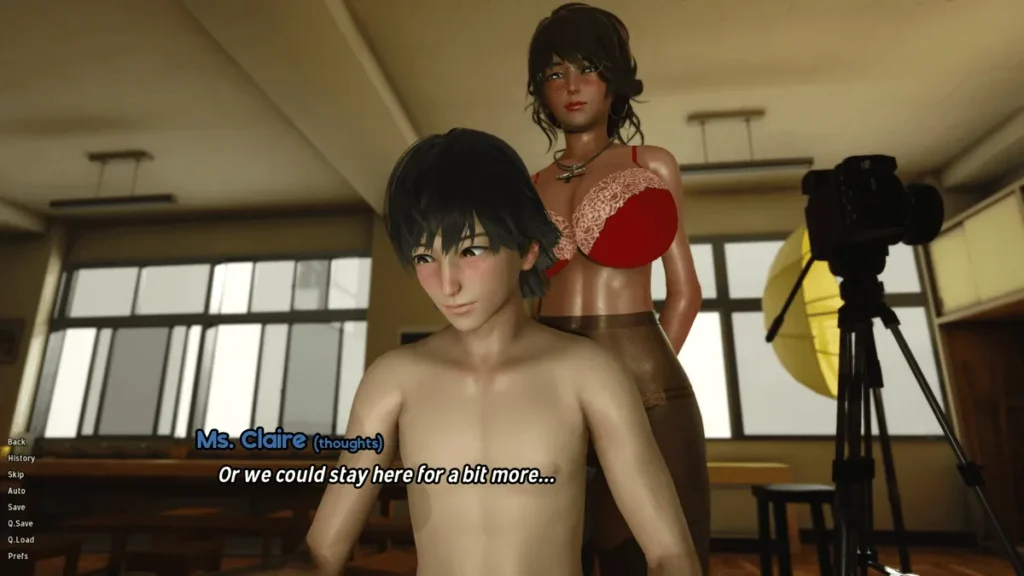
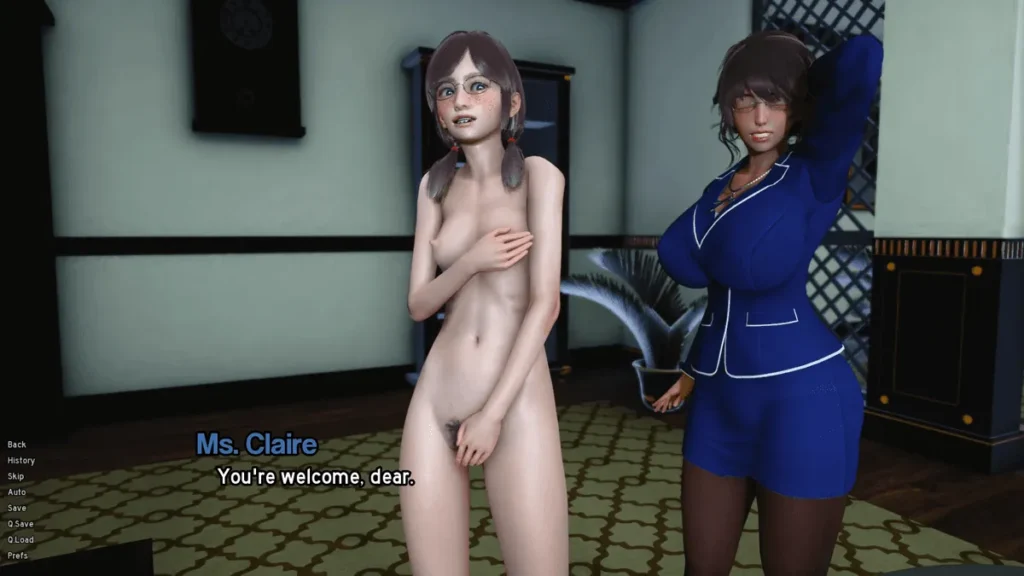

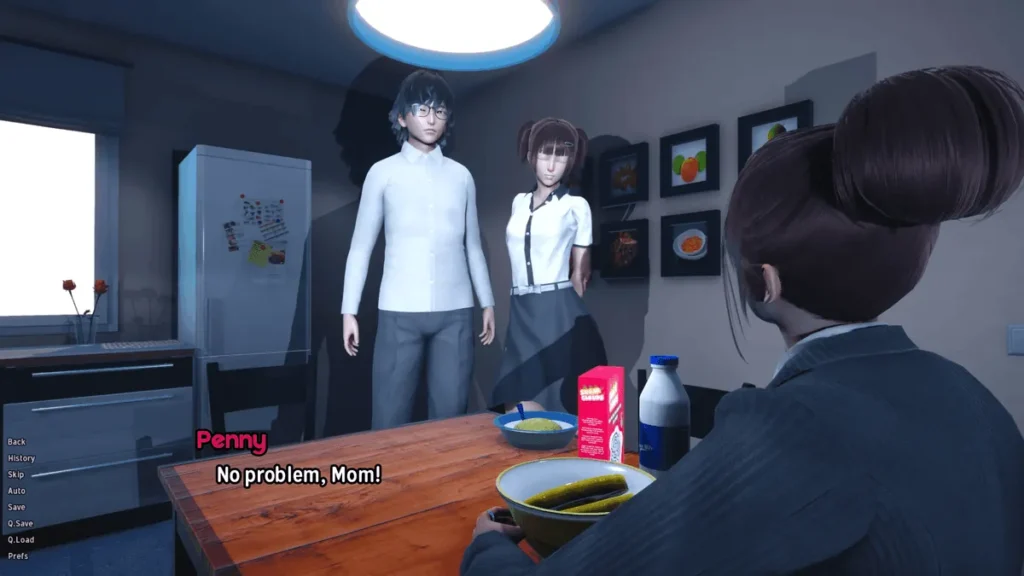
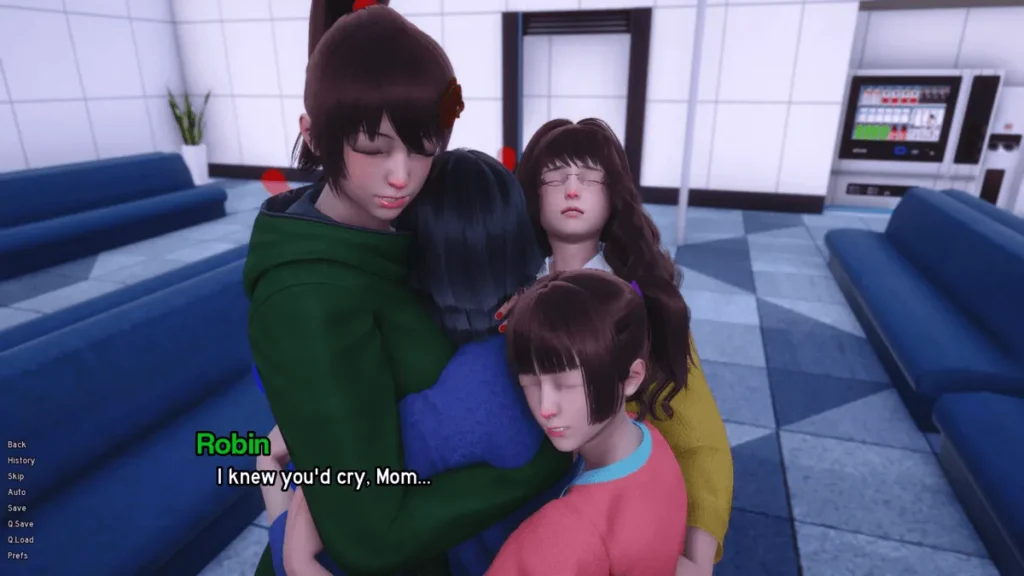

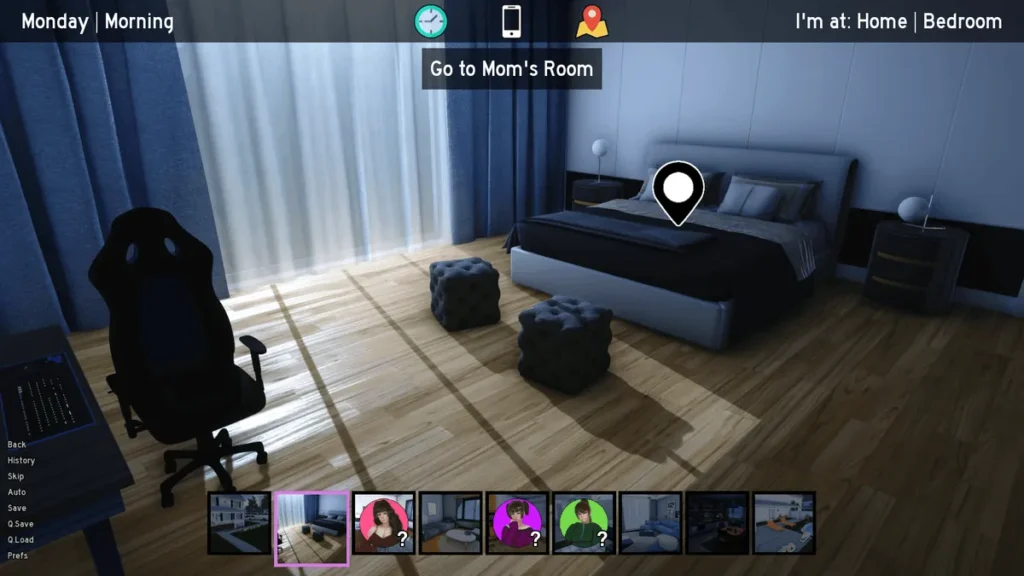
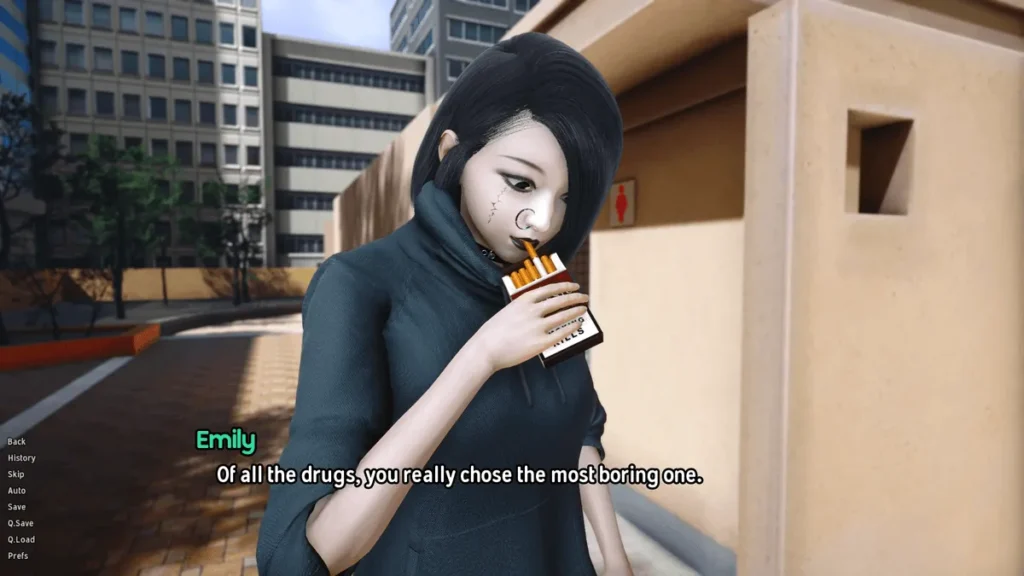
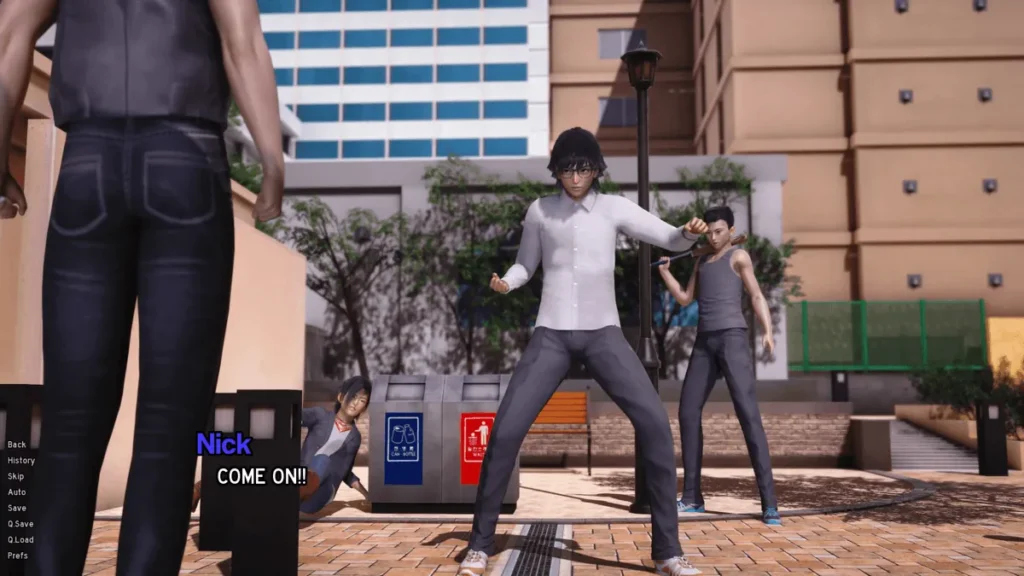

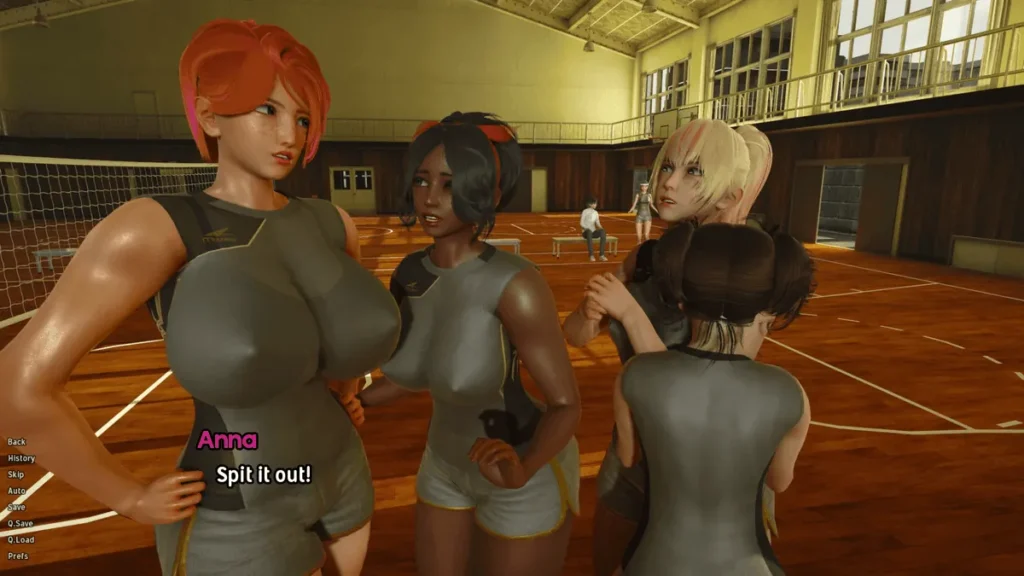
The Sin Within review
Understanding the controversial adult game and its narrative design
The Sin Within is an adult-oriented narrative game that explores mature themes through interactive storytelling. This comprehensive guide examines the game’s design, narrative structure, content elements, and critical reception. Whether you’re curious about the game’s mechanics, storyline, or want to understand what makes it controversial, this article provides an in-depth look at what The Sin Within offers to players and the discussions it has generated within the gaming community.
Understanding The Sin Within: Game Overview and Core Mechanics
Ever stumbled across a game that made you stop and think, “Whoa, they actually went there?” 🤯 That’s the immediate reaction many have to The Sin Within, a title that has steadily carved out a controversial niche in the world of interactive entertainment. This isn’t your typical blockbuster; it’s a deliberate, often uncomfortable deep dive into mature themes, wrapped in a deceptively familiar school setting. But beyond the initial shock value lies a meticulously crafted experience built on a foundation of player control and narrative consequence.
If you’re curious about what this game truly offers beyond the headlines, you’re in the right place. We’re going to peel back the layers of The Sin Within game, examining its unique mechanics, its bold approach to interactive storytelling mature content, and the systems that put you firmly in the driver’s seat. This is a complete overview of what makes it tick, why it sparks debate, and how its adult game narrative design challenges conventional game design.
### What is The Sin Within and How Does It Play?
At its core, The Sin Within is a narrative-driven experience that places you in a tense, morally ambiguous school environment. You navigate the corridors and dramas of an institution where authority figures, like the principal and representatives from a concerned department of health, are key players in a larger, unsettling story. The premise hooks you immediately: this is a place where personal desires, institutional power, and hidden secrets collide.
The gameplay loop is less about reflexes or puzzle-solving and more about observation, conversation, and decision-making. You interact with a cast of characters, each with their own motivations and flaws, through dialogue trees and environmental exploration. The school setting is not just a backdrop; it’s a character in itself, with every classroom, office, and hallway offering clues to the overarching narrative and opportunities to influence events.
So, what are the key tools in your arsenal? The The Sin Within gameplay features are built around a few fundamental pillars that define the experience:
- Dialogue & Relationship Building: Every conversation is a potential turning point. Your choices in dialogue directly affect how characters perceive you, what information they reveal, and what paths become available (or closed off) later.
- Exploration & Discovery: The game encourages you to look closely. Reading notes, overhearing conversations, and finding hidden items are crucial for understanding the full scope of the story and making informed decisions.
- The Choice System: This is the heartbeat of the game. At critical junctures, you are presented with decisions that can alter character fates, shift alliances, and lead to dramatically different story branches.
- Consent-Based Content Gates: Perhaps the most talked-about feature is the game’s system of explicit content warnings. Before potentially intense or explicit scenes, the game pauses to ask for your confirmation. This isn’t a one-time menu option; it’s an integrated part of the adult narrative game mechanics.
To break it down visually, here’s a look at the primary The Sin Within gameplay features and their role:
| Gameplay Feature | Primary Function | Impact on Experience |
|---|---|---|
| Branching Dialogue Trees | Drive character relationships and plot direction. | Creates a personalized story where your voice shapes every interaction. |
| Environmental Interaction | Uncover backstory, secrets, and contextual clues. | Turns exploration into active storytelling, rewarding curious players. |
| Moral & Practical Choice Points | Present dilemmas with no clear “good” or “bad” answer. | Fuels the game’s tension and reinforces its themes of consequence. |
| Content Consent Prompts | Allow players to opt-in or skip specific mature scenes. | Puts unprecedented control in the player’s hands over their comfort level. |
This structure makes The Sin Within a fascinating study in adult narrative game mechanics. It proves that “adult” doesn’t have to mean gratuitous; it can mean complex, thoughtful, and deeply respectful of the player’s agency. You’re not just a passenger on a rollercoaster of predetermined scenes; you are the curator of your own experience, deciding not just what your character does, but what you are willing to see.
### Narrative Structure and Player Choice Systems
Let’s talk about the engine under the hood: the story and how you steer it. The narrative design of The Sin Within is a complex web, not a straight line. It understands that true player agency comes from meaningful consequences, not just the illusion of choice. I remember playing through a sequence early on involving a conflict between two students. The game presented me with three ways to intervene, each framed not as “good, neutral, evil,” but as practical solutions with different emotional costs and future ramifications. Choosing one didn’t just resolve the scene; it determined which character trusted me for the rest of the game and locked me out of an entire subplot involving the other.
This is where game choice systems and player agency become the main attraction. The game employs a branching narrative structure where key decisions act as forks in the road. These aren’t always grand, life-or-death moments (though some are). Sometimes, the most impactful choice is who you choose to comfort, what secret you agree to keep, or which authority figure you decide to believe. These moments accumulate, subtly shifting the narrative terrain until you find yourself in a situation entirely of your own making.
The adult game narrative design is intentional here. By dealing with mature themes—power dynamics, personal vulnerability, and ethical gray areas—the stakes of your choices feel heightened. There’s no superhero logic to fall back on. You’re often choosing between difficult compromises, which makes the narrative feel weighty and authentic. Your goal isn’t to “win” in a traditional sense, but to survive the story with your own moral compass (or lack thereof) intact.
The game’s approach to interactive storytelling mature content is seamlessly woven into this choice system. The mature scenes aren’t isolated “rewards” or shocks; they are narrative crescendos that result from the paths you’ve chosen. Because you have shaped the relationships and tensions leading up to them, these moments carry dramatic weight. They feel like a direct outcome of your actions, which is far more powerful than if they were simply scripted sequences every player sees. This design creates a deeply personal connection to the story, for better or worse. You are complicit in its direction, which makes the emotional impact—whether of intimacy, conflict, or tragedy—profoundly effective.
### Content Warnings and Mature Themes
Now, we address the elephant in the room. Yes, The Sin Within contains explicit content. But its handling of this material is what sets it apart from most titles that venture into similar territory. The game’s developers have implemented a system of content consent prompts in games that is both simple and revolutionary in its commitment to player autonomy.
How does it work? Before a scene containing potentially intense sexual content, graphic violence, or heavy psychological themes, the game stops. A clear, unambiguous text box appears, describing the nature of the upcoming scene in plain language. It then asks: “Do you wish to experience this content?” You have two choices: “Yes, continue” or “No, skip this scene.” Choosing to skip doesn’t punish you or break the narrative; the story adapts, summarizing the crucial plot developments without showing the explicit details.
This system does several brilliant things. First, it acts as a continual check-in with the player’s comfort zone. Moods change; what someone is okay with one evening they might not be the next. This system respects that. Second, it reframes the mature content entirely. By making it opt-in, the game transforms it from something that is done to the player into something the player actively chooses to witness. This aligns perfectly with the game’s core theme of agency. It also thoughtfully addresses the practical reality that not all players are interested in that layer of the narrative, but may still want to engage with the complex character studies and choice-driven drama.
The themes themselves are challenging by design. The game explores the abuse of power, the complexity of consent (both in-story and via its mechanics), and the messy, often painful process of personal desire. It uses its school setting not for titillation, but as a pressure cooker for these ideas—a place where institutional hierarchy and personal awakening create constant friction.
The community’s reception to this approach has been notably thoughtful. One piece of player feedback I found perfectly encapsulates the dual effect of this design:
“The consent prompts initially took me out of the moment, but then I realized that was the point. They made me actively think, ‘Do I want to see where this path leads?’ It turned every intense scene into a deliberate choice, which made the whole story feel more personal and more responsible. It’s a game that treats you like an adult, not just in its content, but in how it asks you to handle it.”
This quote hits the nail on the head. The game’s controversial elements are not its final destination; they are part of a broader conversation it wants to have with the player about boundaries, consequence, and storytelling itself. Currently in active development, the game continues to evolve based on this ongoing dialogue with its players, adding new narrative branches and refining its unique systems.
In conclusion, The Sin Within is more than the sum of its mature parts. It is a bold experiment in interactive storytelling mature content and a sophisticated demonstration of game choice systems and player agency. By combining a branching, consequence-heavy narrative with an unwavering commitment to player consent, it creates a uniquely personalized and ethically engaged experience. It asks tough questions, offers no easy answers, and, most importantly, gives you the tools to define your own boundaries every step of the way. Whether you choose to embrace all of its content or curate a tailored experience, you walk away having participated in a narrative that only you could have authored.
The Sin Within represents a specific approach to adult gaming that emphasizes player choice and narrative agency. The game’s use of content consent prompts reflects a deliberate design philosophy to give players control over their experience with mature material. While the game has generated discussion within the gaming community regarding its writing quality and content presentation, it remains a notable example of how adult-oriented games attempt to balance explicit content with interactive storytelling. Understanding The Sin Within provides insight into the broader landscape of mature indie games and how developers approach sensitive subject matter in interactive media.