Project SAGE
Play Project SAGE
Project SAGE review
A practical, experience-based look at Project SAGE, its gameplay, story, and what to expect before you download
Project SAGE has become one of those underground titles that people whisper about in forums and private chats long before it shows up in mainstream discussions. If you have heard the name but are still unsure what Project SAGE actually offers, how it plays, or whether it is worth your time, this guide is for you. Based on hands-on playtime and community feedback, we will walk through the core gameplay loop, story direction, characters, technical aspects, and how new players can get started without feeling overwhelmed.
What Is Project SAGE and Why Has It Gained Attention?
So you’ve heard the name floating around in forums or maybe saw a screenshot that caught your eye. You’re probably wondering: what is Project SAGE, really? Is it another clicker game, a complex strategy sim, or something else entirely? Let me cut through the noise. 🎮
At its heart, Project SAGE is a story-first experience. Imagine less of a traditional “game” with points to score or levels to beat, and more of an interactive novel where your decisions steer the ship. If you love getting lost in a world where your choices actually matter, where characters feel real, and where the journey is about relationships and personal discovery, then you’ve just found your next obsession. That’s the core of any good Project SAGE overview.
What is the core idea behind Project SAGE?
Let’s break it down simply. Project SAGE is a character-focused, adult visual novel style game built on a foundation of branching narratives and relationship-building. You step into the shoes of a protagonist navigating a modern-day setting—think urban environments, social circles, work-life balance, and all the messy, beautiful drama that comes with it. ☕️🏙️
The Project SAGE story focus is paramount. The game unfolds through dialogue, internal monologues, and key scenes. You’re not just reading a story; you’re actively shaping it. Early on, I made what seemed like an innocent choice to help one character move a couch instead of going for coffee with another. Simple, right? Weeks later in that playthrough, I realized that single act of manual labor had quietly opened up an entire storyline with one character, while my relationship with the coffee-date character remained politely distant. The game remembers everything.
This is the magic of the Project SAGE game. Progression is measured in trust earned, secrets shared, and paths unlocked, not in experience points. The gameplay loop revolves around making choices during conversations and events, which influence character attitudes and lock or unlock future scenes. It’s a slow-burn, deliberate pace that rewards attention to detail and emotional investment.
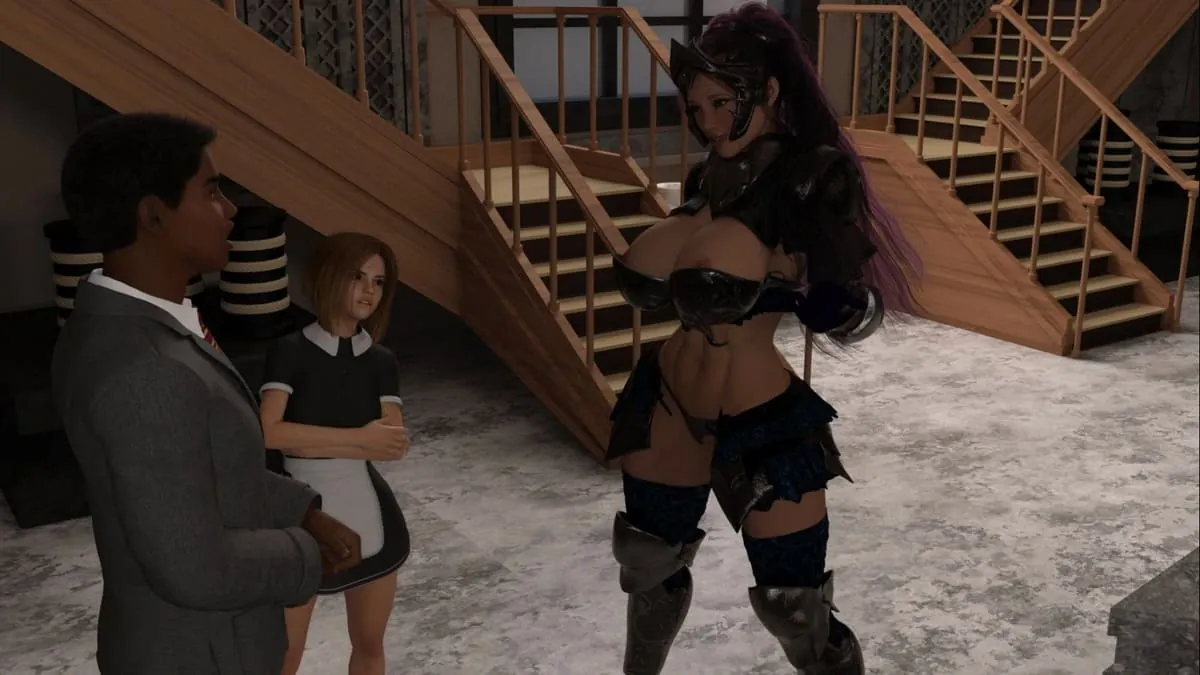
The visual presentation is clean and effective—stylized character models and detailed backgrounds that set the mood—all serving one master: the narrative. This dedicated Project SAGE story focus is a big reason it’s gathered such a dedicated following. Plus, knowing the game receives thoughtful updates over time makes the community feel like they’re on a continuing journey together.
Who is Project SAGE really made for?
This is the million-dollar question: who is Project SAGE for? Knowing this will save you time and set the right expectations before you hit download.
This game is a perfect match for you if:
* You love getting invested in fictional characters as if they were real people.
* You enjoy slow-burn storytelling where tension and relationships build naturally.
* You replay stories to see how different choices play out.
* You prefer games where consequences are meaningful and change the narrative landscape.
* You appreciate a modern, life-simulation setting with relatable conflicts and aspirations.
Conversely, you might want to look elsewhere if:
* You crave fast-paced action, combat, or quick reflex challenges.
* You dislike reading lots of dialogue and prefer visual or mechanical stimulation.
* You want immediate, clear-cut rewards for every action.
* You’re looking for a game you can “finish” in one linear, straightforward sitting.
Project SAGE is a contemplative, relationship-driven experience. It’s for the player who wants to sip their drink and ponder a decision that will affect a virtual relationship, not the player who wants to rapidly press buttons. 🧠💭
To put it simply, here’s what makes the Project SAGE game stand out:
- Unapologetic Story Focus: The narrative is the star. Everything—art, music, interface—exists to serve the plot and character arcs.
- Meaningful Branching Choices: Your decisions aren’t illusions; they fork the road, leading to significantly different scenes and endings.
- Deep Character Depth: Characters have layered personalities, histories, and motivations that unfold over time.
- Living Development: Regular updates add new chapters, polish, and features, keeping the experience fresh and the community engaged.
Now, let’s see how it stacks up in the broader world of narrative games.
How does Project SAGE compare to similar narrative games?
When doing a Project SAGE comparison, it’s helpful to place it within the family of story-heavy, choice-driven games. It shares DNA with other celebrated narrative titles, but it carves its own distinct niche.
Think of the broader category as “interactive drama.” Many games in this space offer branching paths, affection systems (tracking how much characters like you), and event-based progression. Project SAGE aligns strongly with these mechanics. However, its specific blend—a grounded, modern setting with an emphasis on adult life complexities and slow-building relationships—gives it a unique flavor.
Where some narrative games might involve supernatural elements, grand mysteries, or survival scenarios, Project SAGE keeps its feet firmly on the ground. Its drama is human-scale: career ambitions, personal baggage, social dynamics, and romantic tension. This makes its Project SAGE story focus feel intensely personal and relatable.
Here’s a quick Project SAGE comparison in a nutshell:
| Feature | Project SAGE’s Approach | Common in Similar Narrative Games |
|---|---|---|
| Primary Setting | Modern-day, relatable urban/social environments. | Can vary widely (fantasy, sci-fi, historical, mystery). |
| Pacing | Deliberate slow-burn; focuses on everyday moments and conversation. | Often faster-paced, driven by a central mystery or urgent plot. |
| Choice Impact | Decisions often subtly alter long-term relationship dynamics and story threads. | Choices frequently lead to major, immediate plot branches or endings. |
| Character Progression | Focuses on emotional and relational depth, uncovering backstories. | May include skill trees, inventory management, or stat-based progression. |
| Visual Style | Clean, stylized character art and detailed backgrounds that support a realistic tone. | Ranges from highly anime-inspired to more painterly or minimalist styles. |
This Project SAGE overview shows it’s a game that doubles down on realism and emotional resonance. It’s less about what spectacular event happens next and more about how the people involved will react and change because of it. If you’ve enjoyed other games where relationships are the core gameplay loop, you’ll likely find a comfortable yet fresh home here.
My Personal Insight: Jumping into Project SAGE without a guide for the first time was the best decision I made. I embraced the “mistakes,” and it led to a uniquely my story. I highly recommend your first playthrough be blind—let your own instincts guide you. You can always optimize later!
So, to wrap up this chapter on what is Project SAGE, it’s a deep, choice-driven visual novel for those who believe the journey and the people you meet along the way are the real prizes. It’s gained attention because it delivers on a powerful promise: your voice matters in its world.
But how does it all work day-to-day? How do you navigate those choices, manage relationships, and progress without getting stuck? 🤔 In the next chapter, we’ll dive into the practical gameplay: breaking down the systems, stats, and giving you actionable advice to make the most of your time in the world of Project SAGE.
Quick Project SAGE FAQ 🚀
Is Project SAGE a story-driven game?
Absolutely! The narrative is the central pillar. Everything from gameplay to art is designed to immerse you in its character-focused story.
Do choices really matter in Project SAGE?
Yes, 100%. Choices directly influence character relationships, which scenes you unlock, and ultimately, how your story ends. Replay value is high.
What’s the main gameplay loop?
Experiencing story scenes, making dialogue and action choices during them, and seeing how those choices affect future events and character routes.
Is it completed, or still being updated?
Project SAGE is typically updated over time by its creator, with new content and polish added regularly, fostering an active community.
Who would NOT enjoy this game?
Players seeking action, fast-paced gameplay, or who dislike reading large amounts of dialogue might not find it to their taste. It’s a narrative experience first.
By now you should have a clear idea of what Project SAGE is trying to achieve and whether its slow-burn, choice-driven approach fits what you are looking for in a game. Instead of rushing you through a linear plot, it invites you to invest in characters, pay attention to your decisions, and enjoy watching different paths unfold. If that style of experience appeals to you, the best next step is simply to try the game for yourself, start a relaxed first playthrough, and see which routes and choices feel most rewarding for your own tastes.