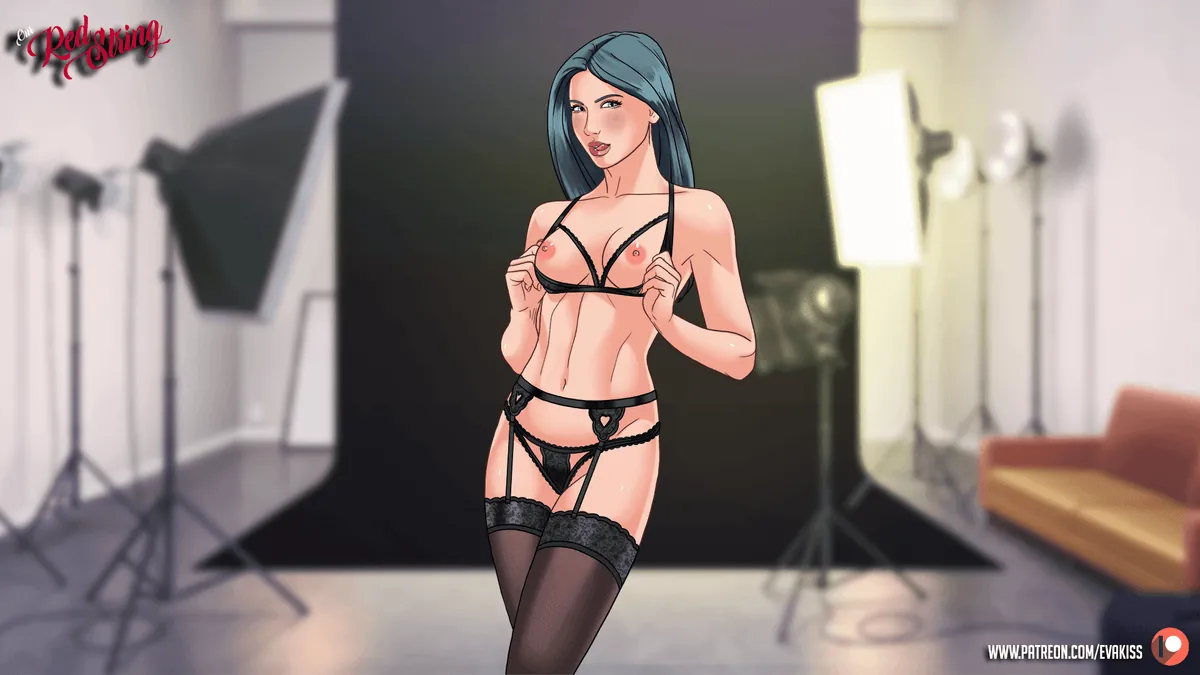
Our Red String
Play Our Red String
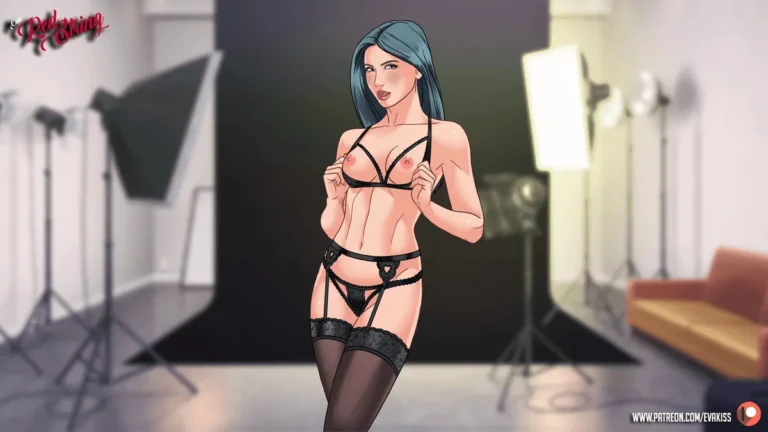
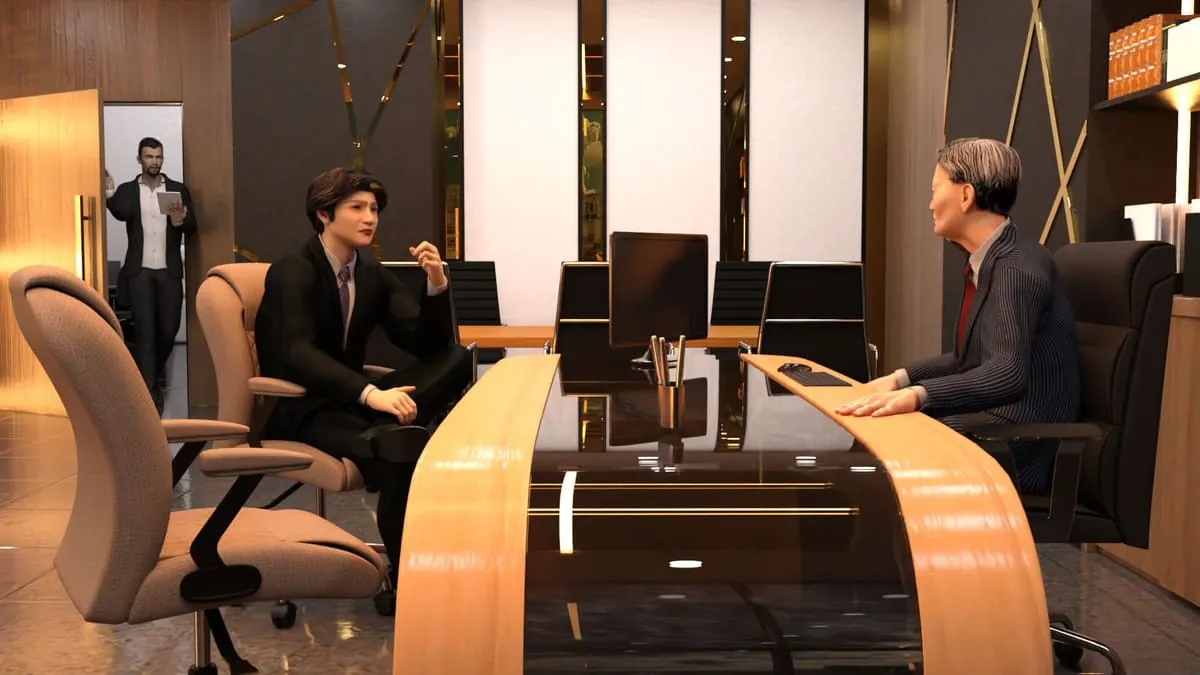
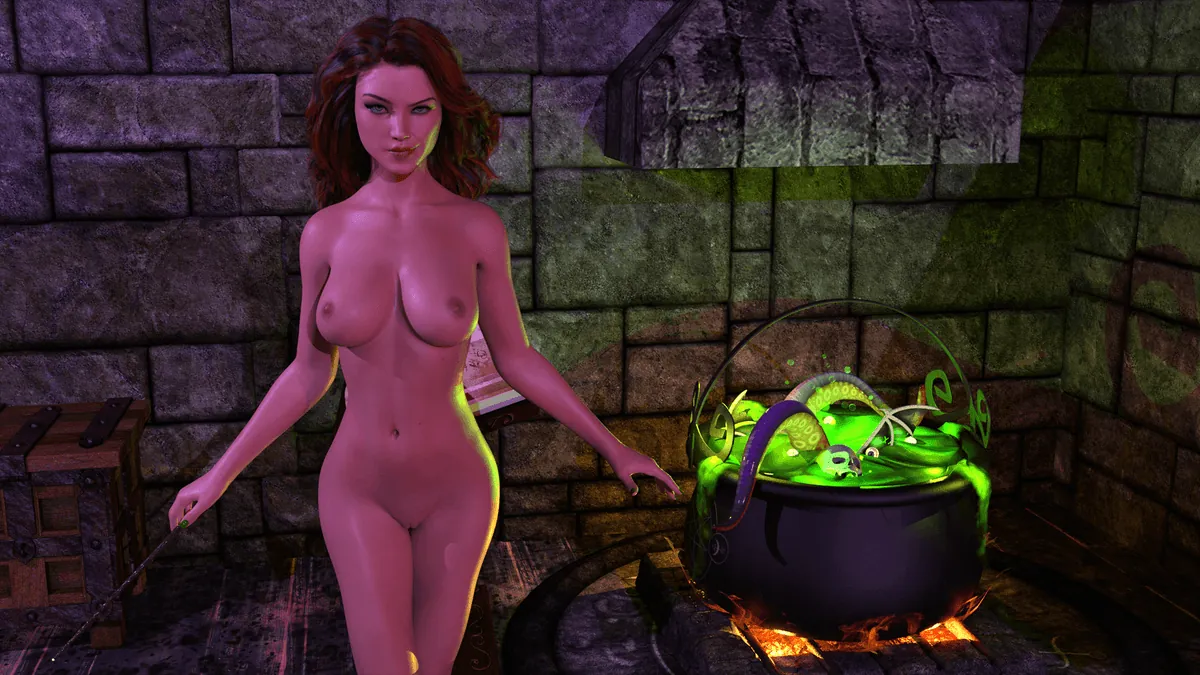
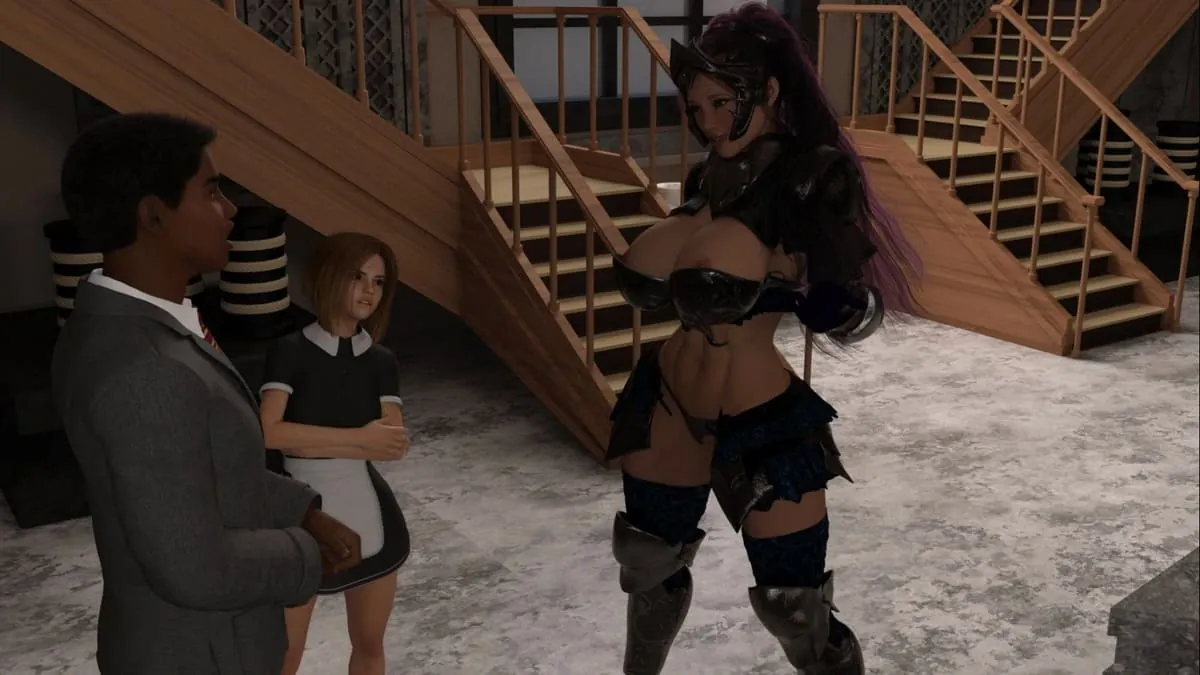
Our Red String Screenshots

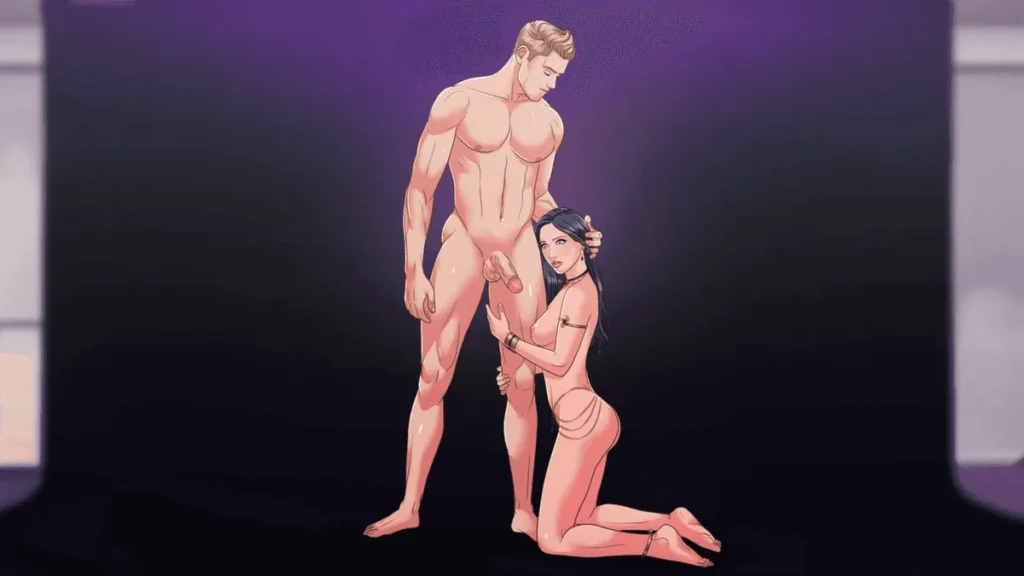
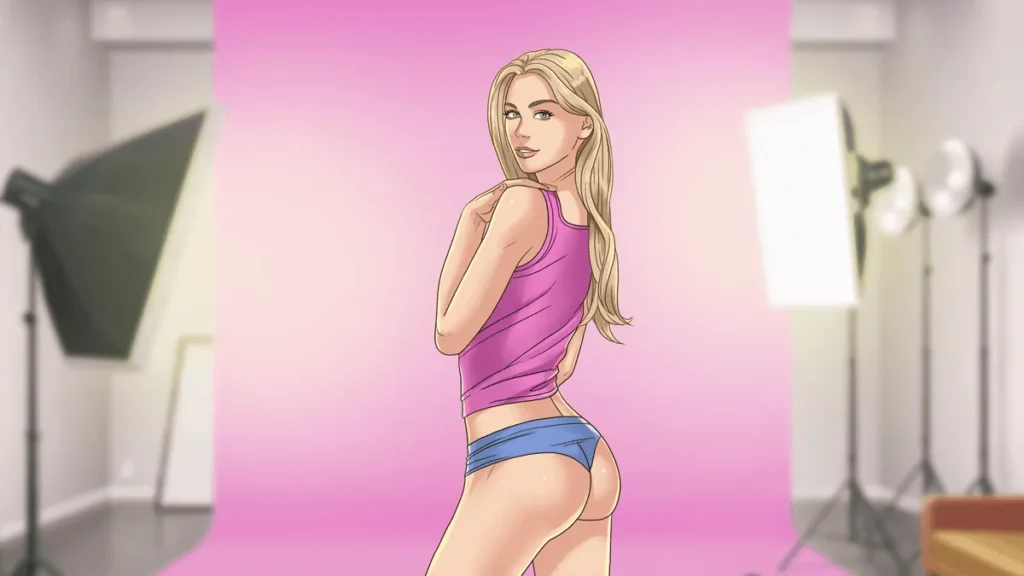
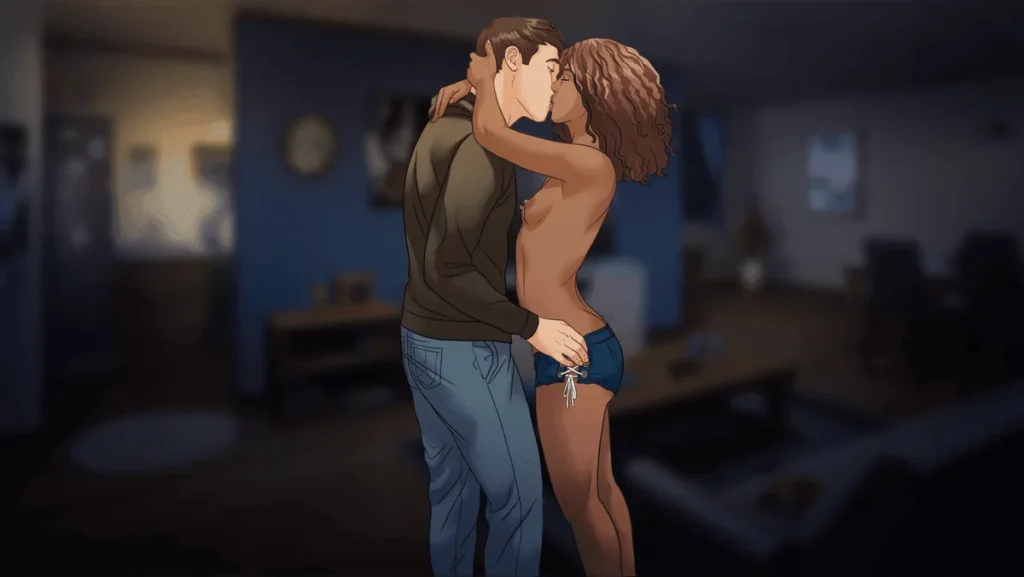
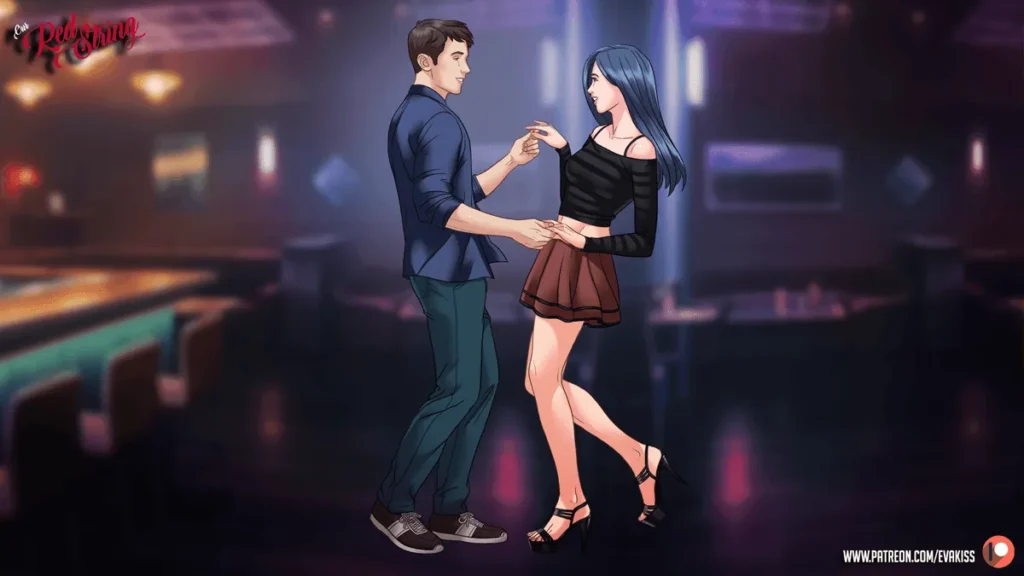

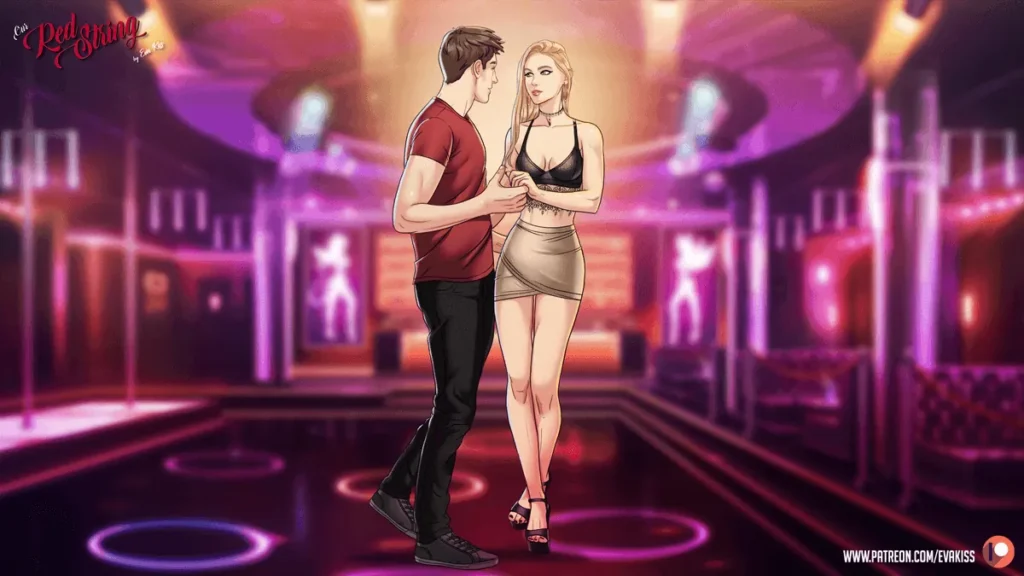
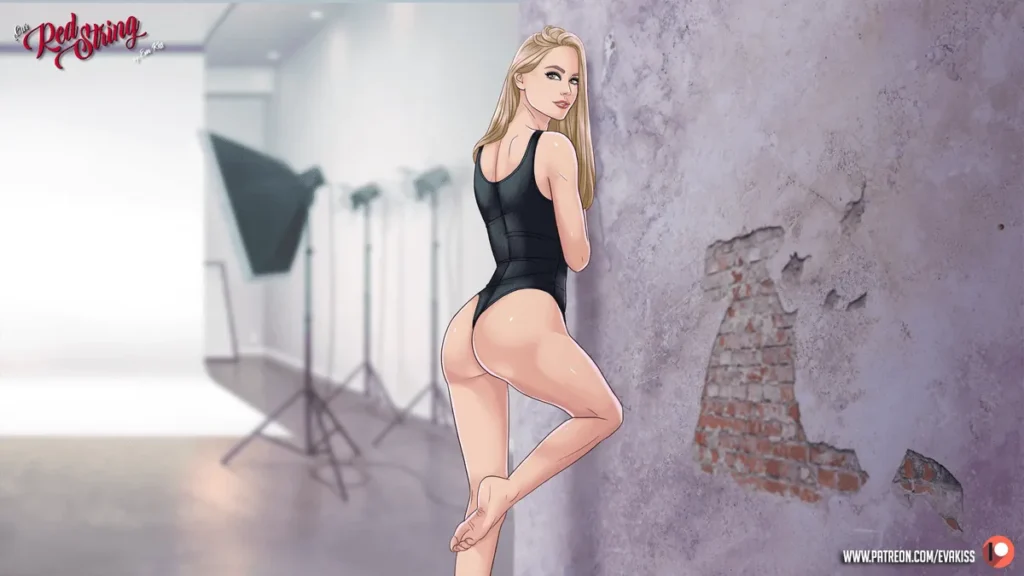
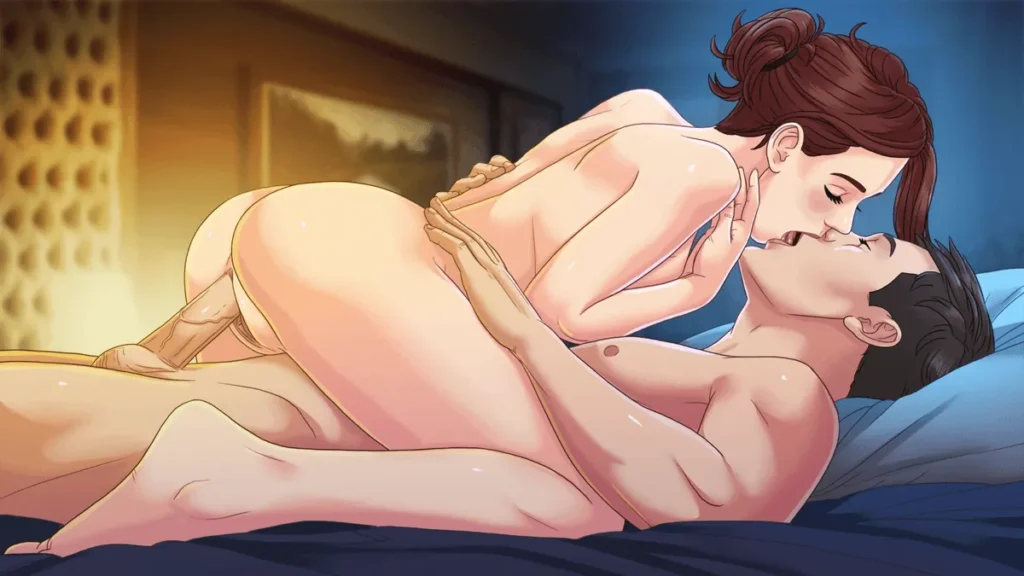
Our Red String review
Explore the dual-protagonist narrative, branching storylines, and character relationships in this acclaimed visual novel
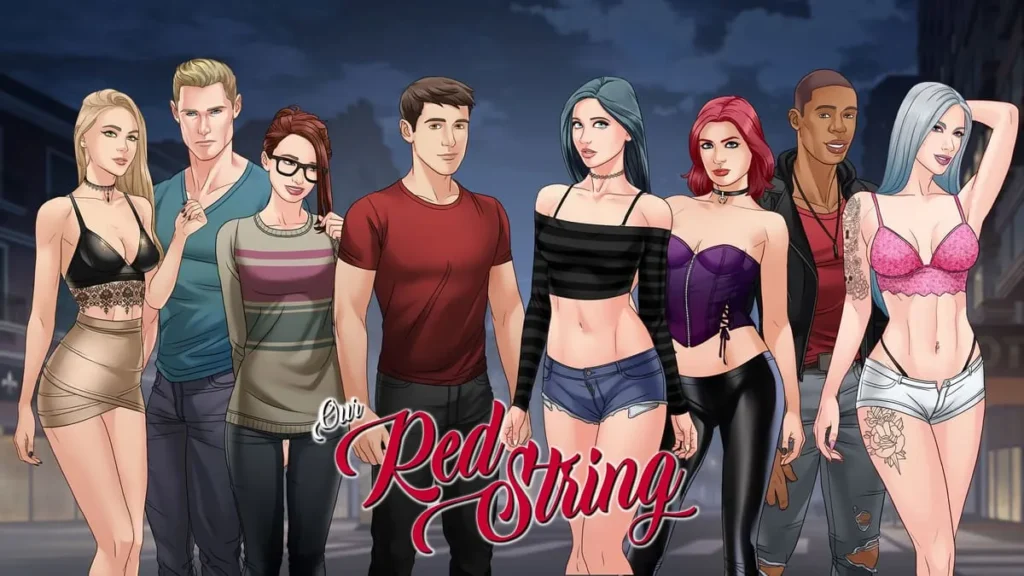
Our Red String stands out as a sophisticated visual novel experience that prioritizes meaningful storytelling and player choice. This dual-protagonist game features non-linear narrative paths where your decisions genuinely impact character relationships and story outcomes. Unlike many games in its genre, Our Red String weaves intricate cause-and-effect mechanics throughout its chapters, creating a rich tapestry of interconnected choices. Whether you’re interested in understanding the game’s branching storylines, character development systems, or how to unlock different narrative paths, this guide provides everything you need to navigate this complex and engaging experience.
Understanding Our Red String’s Gameplay Mechanics and Story Structure
Ever felt that unsettling thrill when a game truly listens to you? I remember my first playthrough of Our Red String. I made a choice early on—a seemingly small, selfish moment—and forgot about it. Hours later, that decision came roaring back in a way that completely reshaped my understanding of Ian and Lena. It wasn’t a cutscene I triggered; it was a consequence I had earned. That’s the magic of this visual novel’s gameplay mechanics. It’s not just about reading a story; it’s about authoring it through a deep, interlocking system of status points tracking and hidden event triggers.
Let’s pull back the curtain on how this acclaimed title weaves its narrative magic. Forget the idea of a simple “good” or “evil” path. Our Red String operates on a complex web of character desires, social pressures, and personal growth, all quantified and tracked behind the scenes. Your journey is uniquely yours, shaped every step of the way by the brilliant dual protagonist game mechanics. Ready to learn how to truly master its world? Let’s dive in. 🎭
How Event Triggers Shape Your Narrative Path
Think of Our Red String as a grand, invisible machine. Every dialogue option you pick, every action you take (or avoid), and even the way you manage your time doesn’t just disappear. Instead, they set or check tiny switches and variables known as event triggers. These are the visual novel‘s secret ledger, meticulously recording your behavior.
Here’s the kicker: most of these triggers are hidden. You won’t see a notification saying “Lust +1” or “Ian’s Trust Flag Set.” The game observes. For example, choosing to flirt boldly with a character at a party might set a hidden flag for “Confident Flirtation.” Later, when a more intimate opportunity arises, the game checks for that flag. If it’s present, a new, riskier dialogue choice might appear. If not, the scene plays out more tamely. This system of event triggers is what creates that incredible sensation of a living, reactive world. Your branching narrative choices don’t just change the next line of dialogue; they alter the very options available to you down the line.
Tip from my playthroughs: The game often uses “And/Or” logic. To unlock a specific scene, you might need either a high Charisma stat OR to have helped a specific character earlier. There’s rarely just one key to a door.
These triggers govern everything from romantic encounters and career opportunities to moments of personal crisis. A series of kind, supportive choices with Lena’s friend might trigger a crucial supportive phone call when she’s at her lowest. Conversely, consistently prioritizing Ian’s music over his relationships might trigger a confrontation that locks you out of a tender reconciliation scene. Understanding this is key to navigating the Our Red String story paths. You’re not just choosing what to say now; you’re programming what you can do later. It’s a beautiful, sometimes frustrating, and always engaging puzzle. 🔐
Status Points and Character Relationship Systems
If event triggers are the hidden wiring, then the status points are the visible power meter. This is where Our Red String’s character relationship system truly shines. Both Ian and Lena have their own set of core stats that reflect their personal development and state of mind. These stats are the gatekeepers for your branching narrative choices.
Let’s break down what these stats mean and how they directly influence your Our Red String gameplay mechanics:
| Stat | What It Represents | Impact on Story & Choices |
|---|---|---|
| Lust | Character’s physical desire and willingness to engage in intimate situations. | Unlocks risqué dialogue options, intimate scenes, and can affect certain character interactions. Low Lust may make a character seem disinterested or shy. |
| Wits | Intelligence, cleverness, and problem-solving ability. | Opens up strategic dialogue choices, allows you to see through lies or manipulations, and is key for navigating complex social or professional situations. |
| Charisma | Charm, persuasiveness, and social confidence. | Essential for convincing others, smoothing over conflicts, networking for career gains, and is often a requirement for romantic advancements. |
| Athletics | Physical fitness, stamina, and coordination. | Affects options in physically demanding scenarios, can influence character confidence, and is necessary for certain job-related or event-specific actions. |
| Money | Financial resources (separate for Ian & Lena). | Directly controls access to locations, items, gifts, and lifestyle choices. Being broke can lock you out of entire story branches or force difficult compromises. |
But it goes deeper than just Ian and Lena’s personal stats. The character relationship system also tracks your bond with every major character—like Derek, Holly, or Anna. This isn’t a simple “Like/Dislike” bar. It’s a nuanced measure of trust, affection, rivalry, or resentment. A high relationship score with Lena’s mother might unlock supportive scenes and advice, while a low one might trigger constant arguments that drain Lena’s emotional state.
The most fascinating interplay is between stats and relationships. Want to pursue a romantic path with a character? You’ll likely need a combination of a high relationship score and sufficient Charisma or Lust. Want to ace a job interview? Your Wits and relevant relationship with the interviewer might be checked. This intricate status points tracking ensures that your character’s capabilities and social world are always at the forefront of the narrative. You can’t suddenly be a smooth talker if you’ve never built your Charisma. 🧠
Making Meaningful Choices That Have Long-Term Consequences
This is the heart of Our Red String. The fusion of event triggers and the character relationship system creates a decision-making landscape where every choice has weight. This isn’t an illusion; the game is engineered for trade-offs. You simply cannot see every scene or unlock every relationship dynamic in one go. You must choose who you want to be.
The dual protagonist game mechanics amplify this a hundredfold. You aren’t just managing one life; you’re juggling two. A choice you make as Lena can dramatically alter the landscape for Ian, and vice-versa, often without you realizing it until much later. In one playthrough, I had Lena invest heavily in her career (raising Wits, earning Money), which was great for her. But it meant she was often tired and stressed, lowering her Lust and Charisma stats when with Ian. This, in turn, triggered event flags that made Ian feel neglected, pushing him toward other characters for comfort. I was shaping both of their Our Red String story paths simultaneously, and the consequences were beautifully tragic.
These branching narrative choices often present genuine moral and practical dilemmas with no “right” answer.
* Do you spend your limited money on a nice gift to boost a relationship, or save it for a bill that will reduce stress later?
* Do you tell a hard truth that will damage trust in the short term but build respect in the long run?
* Do you pursue a passionate, lust-driven encounter that might jeopardize a deeper, more stable connection?
The game’s gallery system, which unlocks CG scenes and story beats, is a testament to this design. It’s not a checklist to be completed linearly; it’s a museum of the lives you could have lived. Unlocking 100% is a monumental task that requires careful planning, multiple saves, and a willingness to explore the consequences of being a worse—or just different—person.
Practical Advice for Your Playthrough:
1. Embrace Your First Run: Play blind. Make choices that feel true to the character you’re imagining. This organic experience is irreplaceable.
2. Save Often and Label: When you hit a major decision point, save in a new slot. Name it something like “Lena_Choose_Derek_vs_Work.”
3. Think in Terms of Investment: See stat points and relationship choices as investments. What “future you” are you building for Ian or Lena?
4. Experiment with Extremes: For subsequent playthroughs, try min-maxing. What happens if Ian has max Athletics but low Wits? What if Lena focuses only on Charisma and Money? The Our Red String gameplay mechanics reveal fascinating new narratives when pushed to extremes.
Ultimately, the genius of Our Red String is that it makes you feel the weight of a life lived. Your branching narrative choices aren’t just selecting text; they are defining personalities, burning bridges, building futures, and discovering the myriad ways a red string of fate can be tangled, tied, or even cut. It’s a masterclass in interactive storytelling. ✨
FAQ: Navigating Our Red String’s Gameplay
What happens if I don’t meet the stat or relationship requirements for a choice I want?
The choice simply won’t appear. The game will present you with the options that are logically available to your character based on their current development and social standing. This is why building your stats and relationships strategically is core to the gameplay mechanics.
Can I undo choices in Our Red String?
There is no in-game rewind function. Your choices are permanent for that playthrough. This is why the save system is your best friend! It allows you to explore different story paths from key decision points without restarting completely.
How do I know what stats a choice will increase?
You don’t, explicitly. The game rarely tells you the direct numerical outcome of a choice. It encourages role-playing based on the situation’s context rather than min-maxing in the moment. However, you can often infer—a confident reply likely boosts Charisma, a clever retort boosts Wits, etc.
Is it possible to “fail” or get a bad ending?
Absolutely. While “bad” is subjective, you can certainly reach endings where characters are unhappy, unfulfilled, alone, or in dire financial straits. The narrative doesn’t always guarantee a happy resolution; it guarantees a logical one based on your cumulative branching narrative choices.
Does the game track my choices across both protagonists?
Yes, seamlessly. The game’s internal tracking is global. Flags set as Lena exist in the same world state as flags set by Ian. This is what makes the dual protagonist game mechanics so impactful—the two storylines exist in one shared, mutable reality.
Our Red String delivers a sophisticated narrative experience that rewards careful attention to choices and character relationships. The game’s intricate system of event triggers and status points creates genuine replay value, as different decision paths lead to substantially different outcomes and character interactions. What makes this visual novel particularly compelling is its commitment to meaningful consequences—players constantly face decisions where gaining one relationship benefit means sacrificing another, creating authentic moral weight to their choices. Whether you’re experiencing the game for the first time or planning your second playthrough to explore alternative story branches, understanding how the game’s mechanics work transforms the experience from casual entertainment into a strategic narrative adventure. Dive into Our Red String with this knowledge, and you’ll discover why players consistently praise its well-crafted branching storytelling and character development.