Kindread: The Redburns
Play Kindread: The Redburns
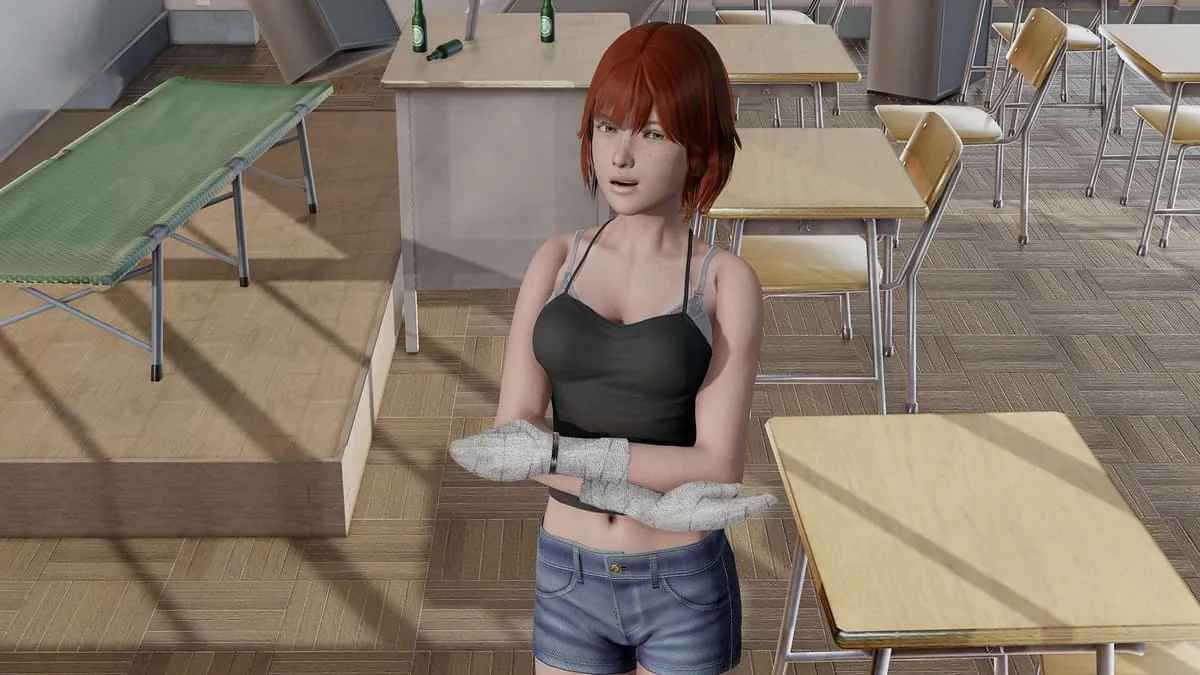
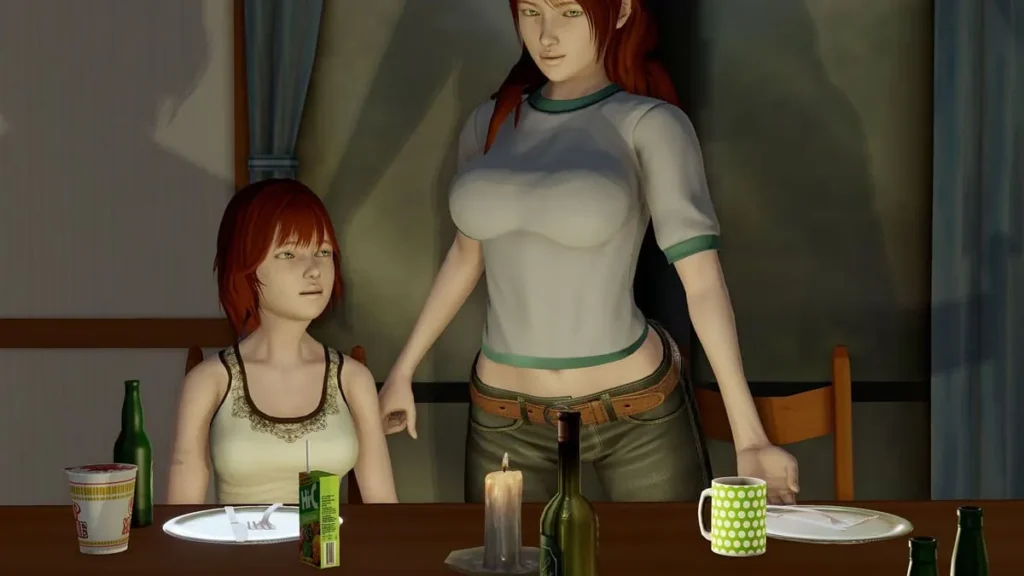
Kindread: The Redburns Screenshots













Kindread: The Redburns review
Explore gameplay mechanics, character relationships, and survival strategies in this zombie apocalypse visual novel
Kindread: The Redburns stands out as a unique narrative-driven experience set against a zombie apocalypse backdrop. Developed by Inkalicious using the Ren’Py engine, this interactive visual novel places you in the role of the sole male survivor within a small, isolated community of women in the rural town of Redburns. Unlike traditional apocalypse games focused on combat and resource gathering, this title emphasizes emotional connections, meaningful choices, and relationship dynamics. The game challenges players to balance personal desires with group survival, making every decision carry significant narrative weight. Whether you’re drawn to story-rich experiences or complex character interactions, understanding the game’s core mechanics and character dynamics will enhance your immersion and help you craft your unique playthrough.
Understanding Kindread: The Redburns Core Gameplay and Mechanics
You’ve probably blasted your way through countless zombie hordes, scavenged in every abandoned building, and built a thousand forts. 🧟♂️💥 But what if the real threat in the apocalypse wasn’t the shambling corpses outside the walls, but the slow, creeping fear and paranoia inside the hearts of the survivors? That’s the chilling, brilliant heart of Kindread: The Redburns. This isn’t a game about headshots and loot runs; it’s a masterclass in psychological tension and human connection, where your most powerful tool isn’t a shotgun, but a carefully chosen word.
Forget everything you know about the genre. Here, the visual novel zombie apocalypse framework is used to delve into minds, not clear streets. Your goal isn’t just to survive, but to understand, to connect, and to hold a fragile community together even as a mysterious “psychological infection” threatens to tear it apart from within. The core Kindread: The Redburns gameplay mechanics are built on this intimate, nerve-wracking premise. Let’s pull back the curtain and see what makes this experience so uniquely gripping.
What Makes This Visual Novel Different From Traditional Apocalypse Games?
The first thing you’ll notice is the silence. There’s no constant gunfire, no sprinting from cover to cover. The setting of Redburns, a rural town cloaked in mist and dread, is a character in itself—one that breeds isolation and suspicion. The infection here isn’t a physical virus that rots flesh; it’s a narrative-driven game mechanics nightmare that warps perception and emotion. One survivor might see a trusted friend as a monster, while another falls into a catatonic state of despair. Your role isn’t that of a soldier, but an “emotional anchor.”
I remember my first playthrough, so focused on solving the “mystery” that I treated conversations like tasks to complete. Big mistake. I pushed a character too hard for information, thinking I was being efficient. Instead, I eroded their trust, making them withdrawn and hesitant to share crucial details later when the community faced a real crisis. The game had subtly taught me that every interaction is a survival action.
This fundamental shift in focus is what sets Kindread: The Redburns apart. To see it clearly, let’s break it down:
| Aspect | Traditional Zombie Apocalypse Game | Kindread: The Redburns |
|---|---|---|
| Primary Focus | Physical Survival & Combat | Psychological & Emotional Survival |
| Core Gameplay Loop | Scavenge, Craft, Fight, Build | Observe, Listen, Choose Dialogue, Manage Relationships |
| Key Resources | Ammo, Medicine, Food, Materials | Trust, Information, Emotional Stability, Group Cohesion |
| Player Objective | Eradicate Threats, Secure a Location | Understand the Infection, Maintain Sanity, Unite or Divide the Group |
| “Enemy” Manifestation | External, Physical Zombies/Monsters | Internal, Psychological Fear, Paranoia, and Hallucinations |
This table isn’t about saying one style is better—it’s about highlighting a different kind of terror. The fear in Redburns is insidious. It’s the dread of a conversation going wrong, of seeing a friend’s eyes fill with mistrust because of a choice you made three days ago. This is the essence of its interactive story paths.
How Do Dialogue Choices Shape Your Story Experience? 🗣️➡️🌳
If there’s one mechanic that defines Kindread: The Redburns, it’s the weight of every single word. This isn’t a visual novel where you occasionally pick a flavor response. The dialogue choices consequences system is the engine of the entire game. Every conversation is a crossroad, and there are no “right” answers, only different shades of consequence.
The game runs on the versatile Ren’Py visual novel engine, which is perfectly suited for managing the incredibly complex web of variables your choices create. Your affinity with each character, their mental state, their secrets, and the overall group morale are all numbers ticking up and down behind the scenes, guided entirely by your inputs. This creates a truly dynamic character relationship system.
Pro Tip: There is no “Paragon” or “Renegade” bar. You can’t game the system by always picking the “nice” option. Sometimes, being too gentle prevents someone from facing a harsh truth they need to survive. The “moral” choice is often a tactical one.
Let me give you a concrete example from my own experience—a perfect case study in cascading consequences:
Early Game Choice: In Chapter 2, you find Leo, a quiet teenager, secretly hoarding canned food in his room. When confronted, you have options: publicly shame him to set an example, privately reason with him, cover for him, or tell the group leader, Mara.
- My Choice: I chose to cover for him, telling Mara I’d already searched his room and found nothing. I wanted his trust.
- Immediate Consequence: Leo gave me a grateful look. Our trust score increased significantly. He later confided in me about his fears.
- Mid-Game Ripple (Chapter 4): During a food shortage crisis, another survivor, Anya, accused someone of stealing. Because I had lied to Mara, my credibility was secretly diminished. When I vouched for Leo, Anya didn’t fully believe me, sowing discord.
- Late-Game Branch (Chapter 7): This discord made Anya more susceptible to the psychological infection. She became convinced I was the hoarder, creating a major rift in the group. Leo, still loyal to me, confronted her, leading to a violent argument I had to defuse. The entire interactive story path for the game’s third act changed because of that one “kind” lie.
This is the power of the system. A single choice doesn’t just affect one character; it alters the group dynamic, locks or unlocks future conversation branches, and can completely change how key story events play out. The game is constantly remembering, and it will hold you accountable. 😅
Navigating Relationships and Consequence Systems ❤️⚖️
This brings us to the beautiful, stressful core of the Kindread: The Redburns gameplay mechanics: managing human hearts. The character relationship system is deeply tied to the consequence engine. Each major character has a visible “Trust” meter, but also hidden flags for their emotional state (Stable, Anxious, Paranoid, etc.) and secret knowledge they may or may not share with you.
Your role as the emotional anchor means you’re constantly juggling. You might be romantically drawn to the resilient doctor, Elias, but pursuing that connection might make the pragmatic scout, Kaya, feel isolated and jealous, affecting her performance on critical supply runs. The game masterfully creates this tension between personal desire and community need.
The survival elements aren’t about managing hunger bars, but about how scarcity alters perception. When supplies are low, characters become more irritable, trust is harder to earn, and the psychological infection spreads faster. A character you’ve bonded with might hallucinate during watch duty, endangering everyone. Do you cover for them, or report it? Reporting might save lives but destroy the relationship. Covering for them builds loyalty but risks everyone, including them.
Here’s how to think about your strategy:
- Listen Actively: Read the text descriptions carefully. Is a character fidgeting? Avoiding eye contact? The prose gives clues to their mental state beyond the dialogue choices.
- Think Long-Term: Ask yourself, “What does this person need to hear to stay stable and useful to the group?” Sometimes it’s comfort, sometimes it’s a harsh truth.
- Balance the Group: Don’t just max out one relationship. Spread your attention. A group where only one person trusts you is a fragile group.
- Embrace Failure: Your first playthrough will have “mistakes.” That’s not failure; it’s your story. One of the joys of this Ren’Py visual novel is replaying to see how different choices weave entirely new narratives.
Ultimately, Kindread: The Redburns redefines survival. Survival isn’t just about your character’s life; it’s about the life of the community, the sanity of your friends, and the truth of the bonds you forge. Its narrative-driven game mechanics make you feel the immense weight of leadership without ever giving you a formal title. You’re not a general; you’re the glue. And in the haunting, quiet world of Redburns, that might just be the most important—and most dangerous—role of all. 🔗🧠
Kindread: The Redburns offers a distinctive take on the zombie apocalypse genre by prioritizing emotional depth and meaningful relationships over traditional survival mechanics. The game’s strength lies in its dialogue-driven gameplay, where every choice carries weight and consequences ripple through the narrative, creating a personalized story experience. With its compelling character roster, psychological themes, and branching narrative paths, the game delivers an engaging experience for players seeking story-rich interactive fiction. The balance between personal desires and community needs creates genuine tension that drives player engagement throughout the experience. Whether you’re drawn to character-focused narratives, complex relationship dynamics, or unique apocalypse storytelling, Kindread: The Redburns provides a memorable journey through a world where human connection becomes as vital as survival itself. Explore the game’s multiple endings and character paths to fully appreciate the depth of its narrative design.