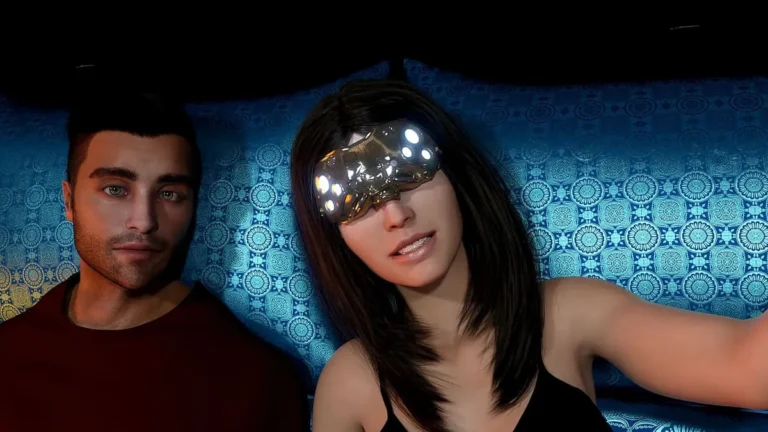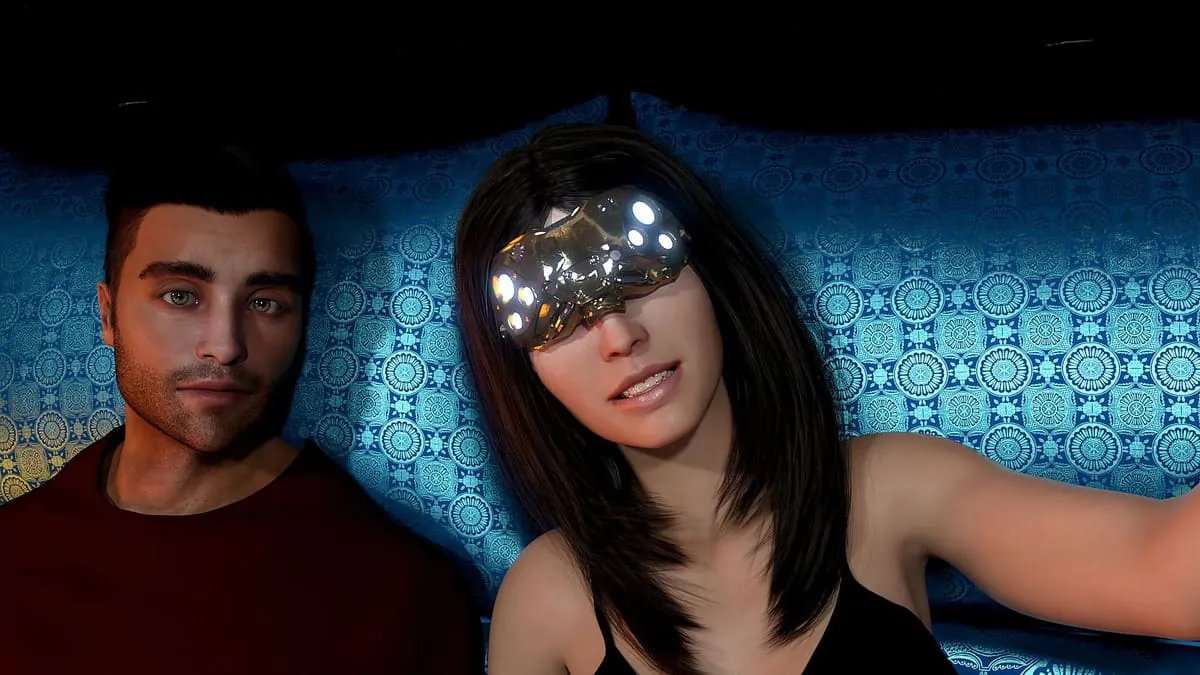
Artemis
Play Artemis
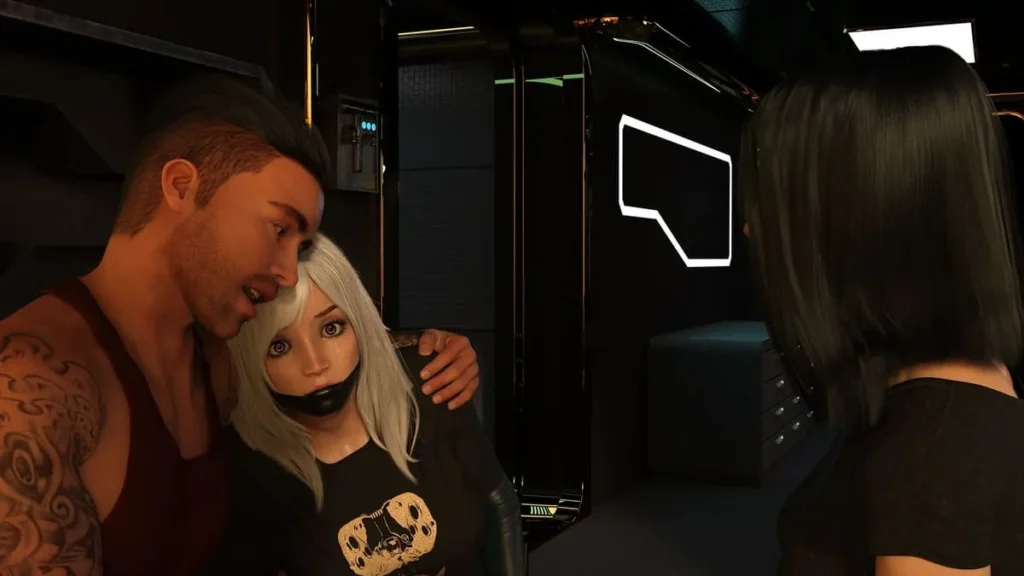
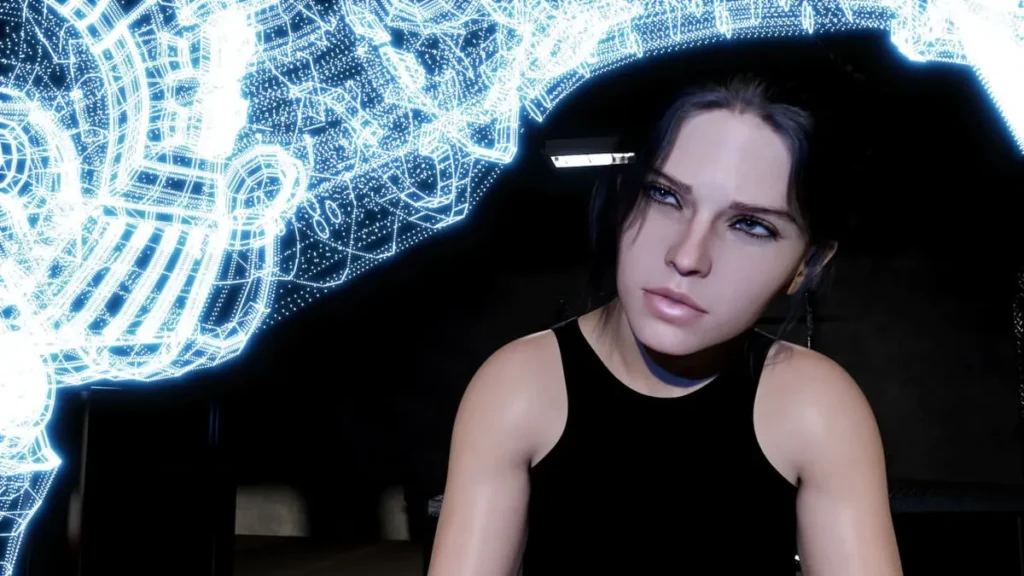
Artemis Screenshots

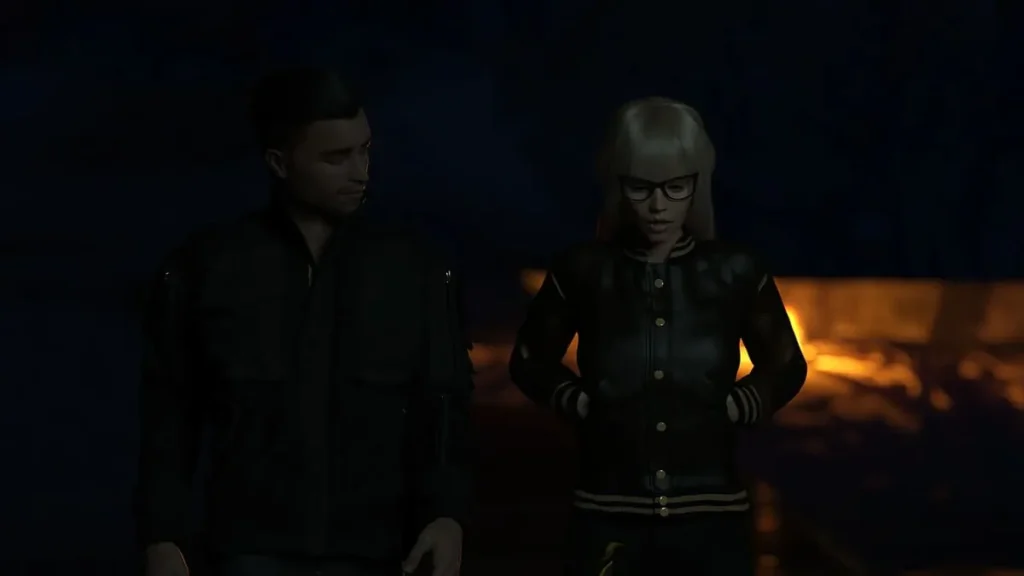





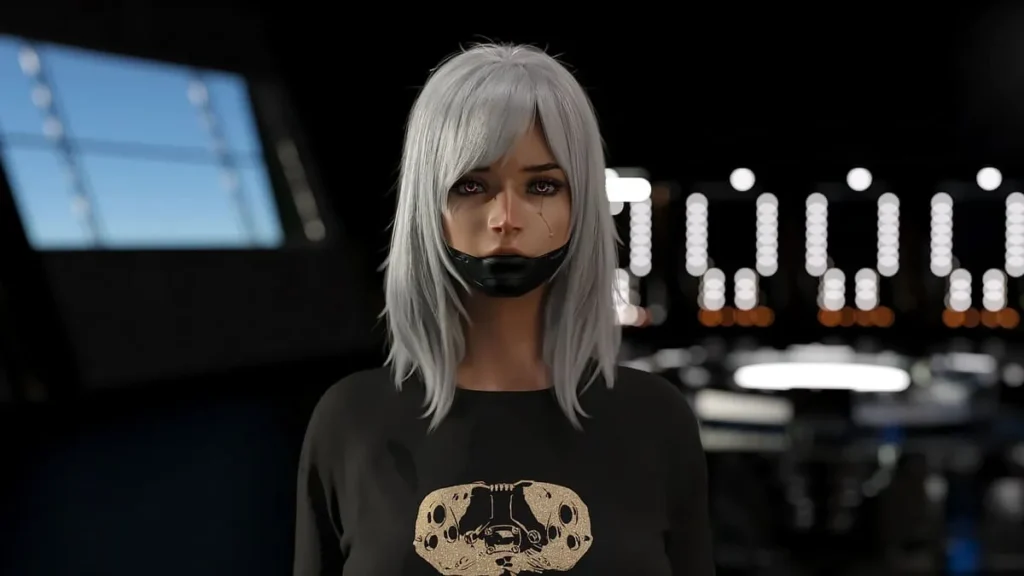



























Artemis review
Exploring the narrative, gameplay mechanics, and community reception of this adult-oriented visual novel
Artemis Book One stands out as a narrative-focused visual novel designed for mature audiences, offering players a unique blend of storytelling, character development, and interactive decision-making. Released on Steam, this game invites players to embark on a journey of recovery and technological innovation following a traumatic event. With over 742 user reviews and a 92% positive rating, Artemis has captured the attention of visual novel enthusiasts worldwide. This comprehensive guide explores what makes Artemis Book One compelling, from its intricate story structure to its gameplay mechanics and the passionate community surrounding it.
Understanding Artemis Book One: Story, Setting, and Core Gameplay
Let’s be honest: we’ve all played a game where the story feels like an afterthought. You’re clicking through gorgeous art, but the plot is thinner than the paper it’s printed on. 🤷♂️ You start to wonder, “Why am I even making these choices?” If that sounds familiar, then prepare to have your faith restored. Artemis Book One isn’t just another title on the shelf; it’s a masterclass in how to build a compelling, character-centric world that hooks you from the very first line. This initial chapter sets a new standard for what a story-driven visual novel can achieve, proving that interactivity and deep narrative aren’t mutually exclusive.
Today, we’re diving deep into the heart of this experience. We’ll unpack the rich Artemis Book One story, explore the intricate visual novel character development, and see how your decisions truly shape the journey. Whether you’re a veteran of the genre or a curious newcomer, understanding the foundations of this game reveals why it has captivated its audience. So, grab a coffee, get comfortable, and let’s explore the world of Artemis.
The Narrative Foundation: Recovery and Technological Dreams 🏙️💭
Every great story needs a compelling launchpad, and the Artemis Book One story provides one that is both deeply personal and wildly ambitious. The game doesn’t throw you into a generic dating sim scenario. Instead, it begins three years after a life-shattering event. You step into the shoes of a brilliantly gifted programmer whose world collapsed after a catastrophic business deal with a powerful tech giant fell through. This isn’t a minor setback; it’s a traumatic failure that has left you, the protagonist, adrift and rebuilding from the ground up.
This focus on recovery is the brilliant core of its visual novel narrative. The story isn’t about being the chosen one from the start; it’s about picking up the pieces. The emotional weight is palpable, making your eventual triumphs feel earned. Then, the catalyst arrives in the form of a childhood friend, re-entering your life not with pity, but with a proposition—a new, daring opportunity in the tech world. This reunion kicks off a narrative that balances the heavy baggage of the past with the exhilarating, risky promise of the future.
The Artemis Book One story is expertly structured across its four chapters, serving as the foundational entry to a planned trilogy of DLC books. Think of it as the gripping first season of a premium TV series. It establishes the universe, the central conflicts, and the key players, leaving you desperate for the next installment. The tone is a carefully crafted blend, weaving moments of genuine emotional depth with well-timed humor and relatable awkwardness. This balance prevents the story from becoming overly grim, creating a rhythm that feels authentically human.
Tip: Pay close attention to the flashbacks and internal monologues. They aren’t just filler; they’re essential tools for understanding the protagonist’s psyche and the stakes of every decision you make.
What truly defines this story-driven visual novel are the key plot elements that create its unique texture:
- A Protagonist with a Past: You’re not a blank slate. Your history of trauma and failure informs every interaction and choice, adding layers to the role-playing experience.
- The Artemis Project: The new tech venture isn’t just a MacGuffin; it represents redemption, ambition, and a second chance, driving the plot forward with tangible purpose.
- Re-kindled Connections: The relationship with your childhood friend is the narrative engine, fraught with shared history, unresolved feelings, and the tension of a new professional dynamic.
- A Foundational Installment: Book One is clearly part of a larger saga. It answers immediate questions while expertly planting seeds for the larger Artemis universe, making the world feel vast and alive beyond the current script.
This strong narrative foundation ensures that every conversation, every success, and every setback is infused with meaning, perfectly setting the stage for the complex web of relationships you’re about to navigate.
Character Development and Relationship Mechanics 👥❤️
If the plot provides the stage, then the characters are undoubtedly the stars of the show. The visual novel character development in Artemis Book One is nothing short of superb. Each character you meet feels like a real person, with their own ambitions, insecurities, and complexities that extend beyond their connection to you. This isn’t a game where characters exist solely as romantic targets; they are fully realized individuals on their own paths, and your choices determine how your journey intersects with theirs.
The core of the Artemis visual novel gameplay experience lies in its sophisticated relationship system. Every dialogue choice, every gesture, and every major decision acts as a brushstroke on the canvas of your relationships. The game masterfully tracks your subtle shifts in affinity, meaning that a seemingly casual coffee chat can have lasting repercussions. This system creates an authentic sense that you are truly building—or potentially damaging—these bonds over time.
Exploring the character relationships visual novel dynamics is the game’s greatest pleasure. Will you be the steadfast rock for a friend in crisis, or the ambitious partner pushing everyone toward a common goal? The game presents a cast of archetypes that feel familiar yet refreshingly nuanced, and your interactive story choices determine the nature of each bond. Here’s a look at the primary relationship paths you can cultivate:
| Character Archetype | Core Relationship Dynamic | What Your Choices Influence |
|---|---|---|
| The Childhood Friend / Partner | Re-kindled trust, shared history, and a high-stakes professional partnership. The line between past affection and future potential is beautifully blurred. | Balancing personal history with business ambitions, rebuilding broken trust, and defining whether your connection is purely platonic, professionally intimate, or something more. |
| The Driven Colleague | Professional rivalry, mutual respect, and a shared hunger for success. This relationship is often a crucible for testing your own ethics and ambitions. | The balance between collaboration and competition, ethical boundaries in pursuit of a goal, and the potential for a romance built on intellectual equals. |
| The Creative Free Spirit | An emotional anchor and source of levity. This relationship often provides a respite from the high-pressure tech world, reminding the protagonist of life outside work. | Opening up emotionally versus maintaining a guarded facade, embracing spontaneity, and exploring a connection that is less about ambition and more about genuine emotional support. |
| The Corporate Counterpart | A complex dance of power, persuasion, and potential manipulation. This relationship is often fraught with corporate intrigue and moral ambiguity. | Your approach to negotiation and deal-making, your willingness to compromise morals for progress, and navigating a relationship where every kindness may have an ulterior motive. |
My personal experience? I played my first run being cautiously optimistic, trying to mend fences and be the “good guy.” The results were… interesting. A choice I made to protect someone’s feelings early on inadvertently closed off a later avenue of honest communication with another character, leading to a tense confrontation I didn’t see coming. It was a brilliant demonstration of how the Artemis Book One story respects your agency. The game doesn’t have “right” or “wrong” answers; it has consequences. This makes replayability a genuine joy, not a chore. You’ll want to go back to see how being boldly ambitious or vulnerably honest changes the entire social ecosystem around you.
Visual Novel Format and Interactive Decision-Making 🎮✨
So, how does all this narrative and character depth translate into the actual Artemis visual novel gameplay? The game leverages the classic visual novel format to perfection, using its established tools—static backgrounds, character sprites, dialogue boxes, and a hauntingly good soundtrack—to create an immersive world. But where it truly innovates is in the weight and integration of your interactive story choices.
This isn’t a simple “choose your own adventure” with obvious good/evil branches. The visual novel narrative is designed to make you feel the pressure of decision-making. Choices often appear under time constraints, pushing you to go with your gut. Others present you with morally grey areas where every option has a valid argument. Do you use a competitor’s leaked information to secure an advantage for your fledgling company, or do you take the ethical high road and risk falling behind? The game refuses to judge you, but the characters in your world certainly will.
The gameplay loop is deceptively simple yet profoundly engaging: read, relate, and react. You absorb the story, connect with the characters, and then shape your path through your responses. This loop is powered by a backend system that remembers everything. A minor comment in Chapter 1 might be referenced meaningfully in Chapter 4, rewarding attentive players and making the world feel cohesive and responsive. This attention to detail is what elevates it from a passive story to an active experience.
Insight: Don’t rush through dialogue. The most impactful interactive story choices are often nestled in seemingly casual conversations. How you handle everyday moments defines your relationships as much as the big, dramatic decisions.
What truly sets this story-driven visual novel apart is how it uses its format for pacing and emotional impact. The quiet moments are just as important as the climactic ones. A lingering shot of a character’s expression after a difficult conversation can convey more than paragraphs of text. The soundtrack swells and recedes to guide your emotions, and the visual novel character development is often shown through subtle changes in a character’s posture or expression sprite, not just told through words.
As this introductory book closes, it doesn’t just end a story; it sets the trajectory for a universe. The Artemis Book One story establishes core conflicts, deepens mysteries, and leaves your personal web of character relationships in a state that is uniquely yours. You’re not just waiting for Book Two to see “what happens next.” You’re personally invested in discovering how your version of these characters will handle the coming storms. Your choices have built the foundation, and now you’re desperate to see what you’ll build upon it.
Ultimately, Artemis Book One is a testament to the power of its genre. It proves that a visual novel narrative can deliver complexity, emotional resonance, and player agency on par with any big-budget RPG. It asks interesting questions about failure, ambition, and connection, and then gives you the tools to answer them in your own way. For anyone who believes in the potential of interactive storytelling, this isn’t just a game to play—it’s an experience to study and savor. The journey of Artemis has only just begun, and if Book One is any indication, we are all in for an unforgettable ride.
Artemis Book One represents a compelling entry into the visual novel genre, combining sophisticated storytelling with impressive technical presentation. The game’s 92% positive rating reflects its success in delivering an engaging narrative experience centered on recovery, relationships, and technological innovation. With its high-quality 1080p renders, smooth animations, and substantial content volume spanning chapters 1-4, Artemis demonstrates the production standards expected of modern visual novels. The community’s passionate engagement with the game, evidenced through detailed guides and active discussions, underscores its appeal to players seeking story-driven experiences with meaningful choices. Whether you’re a seasoned visual novel enthusiast or new to the genre, Artemis Book One offers a rich narrative experience that sets the stage for future installments. For those interested in exploring this title, understanding the relationship mechanics and progression systems will enhance your experience and help you navigate the choices that shape your journey through the game’s world.